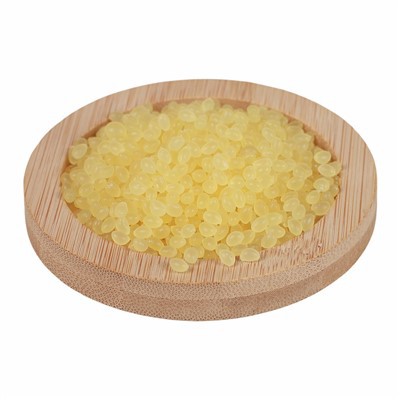
As global manufacturing continues to upgrade toward intelligence, sustainability, and high-end production, hot-melt adhesives-crucial bonding materials in modern industry-are undergoing a new wave of technological transformation. From traditional sectors like packaging, furniture, and footwear materials to high-value fields such as new energy vehicles, electronic devices, and smart manufacturing, the market is demanding more from hot-melt adhesives. Requirements include not only superior bonding strength, higher temperature resistance, and more stable processing efficiency but also alignment with trends toward environmental friendliness, recyclability, and low-carbon manufacturing. In recent years, international adhesive giants have ramped up R&D investment, driving technological breakthroughs through new material systems and innovative processes.
I. Reactive Polyurethane Hot-Melt Adhesives Drive Upgrades in High-End Manufacturing
In high-end applications, PUR (reactive polyurethane hot-melt adhesive) has emerged as a key direction for technological development. Unlike traditional thermoplastic hot-melt adhesives such as EVA and PO, PUR adhesives allow for rapid positioning after melting and undergo a cross-linking reaction with atmospheric moisture. This creates a permanent bond characterized by superior strength, heat resistance, and environmental durability.
German adhesive manufacturer Henkel has continuously upgraded its Technomelt series, launching new PUR hot-melt solutions. For instance, the Technomelt PUR 9015 BV/WV product is optimized for assembly applications such as glass panels in home appliances; it offers high initial bonding strength while facilitating rework and disassembly during production, thereby helping to reduce material waste.
This technological trend is also extending into the new energy vehicle sector. With advancements in power batteries, electronic control systems, and lightweight vehicle structures, automakers are setting higher standards for adhesive materials. Hot-melt adhesives are poised to play an increasingly vital role in sealing, vibration damping, insulation, and structural bonding.
II. Bio-based Hot-Melt Adhesives Emerge as a Focus for Green Material Development
The continuous refinement of environmental regulations and the global push by companies to meet carbon reduction targets have made green hot-melt adhesives a priority for industry R&D. Traditional petrochemical-based adhesives are gradually shifting toward low-carbon and bio-based alternatives. In recent years, the French company Bostik (the adhesives business unit of the Arkema Group) has launched a series of bio-based specialty hot-melt adhesive products. Developed using renewable raw materials, these high-performance polyester and polyamide systems are suitable for applications such as automotive interiors, technical textiles, filtration materials, electronics, and footwear manufacturing. Some of these products feature a high bio-based content while maintaining the strength and durability required of traditional hot-melt adhesives.
Furthermore, Bostik's Thermelt series is continuously evolving toward greater sustainability. By increasing the proportion of bio-based materials and incorporating "design-for-disassembly" concepts, the series helps manufacturers enhance product lifecycle management and meet the demands of the future circular economy.
III. New Energy Vehicles and the Electronics Industry: Key Arenas for Hot-Melt Adhesive Innovation
The rapid growth of the new energy vehicle (NEV) sector has created new growth opportunities for the hot-melt adhesive industry. Battery packs require significant amounts of reliable bonding, securing, and sealing materials; hot-melt adhesives-characterized by rapid curing, solvent-free composition, and excellent compatibility with automated processes-are increasingly replacing traditional mechanical fastening methods.
Simultaneously, the trend toward thinner, lighter, and smarter electronic devices is driving hot-melt adhesives to evolve toward low-temperature processing, high-precision coating, and specialized functionalities. For instance, in sensors, flexible circuits, and smart device components, hot-melt adhesives must provide not only bonding capabilities but also comprehensive performance features such as electrical insulation, moisture resistance, and shock absorption.
U.S.-based adhesive manufacturer H.B. Fuller is also actively expanding its capabilities in hot-melt and reactive hot-melt adhesive technologies. The company utilizes 100% solids formulations to reduce solvent usage and boost production efficiency, while developing innovative solutions tailored for packaging, industrial assembly, and automated manufacturing.
IV. Future Trends in Hot-Melt Adhesive Technology
An analysis of the latest technological strategies adopted by international companies suggests that the hot-melt adhesive industry will evolve in the following directions:
First, the trend toward high performance is intensifying. High-temperature resistance, high strength, chemical resistance, and long-term stability will become critical requirements in sectors such as new energy vehicles, aerospace, and electronics.
Second, environmental sustainability is becoming a core competitive advantage. Low-VOC content, solvent-free formulations, bio-based materials, and designs that facilitate recycling will drive the continuous upgrading of hot-melt adhesive product portfolios.
Finally, smart manufacturing will foster innovation in the application methods of hot-melt adhesives. With the widespread adoption of automated dispensing, robotic coating, and digital production lines, hot-melt adhesive products must not only meet material performance requirements but also offer superior processing adaptability.
In the future, hot-melt adhesives will evolve beyond simple bonding agents to become vital bridges connecting materials, manufacturing processes, and green technologies. For domestic hot-melt adhesive enterprises, strengthening R&D in new materials, enhancing capabilities for functional products, and strategically targeting the new energy vehicle and high-end manufacturing markets will be key to boosting industry competitiveness.