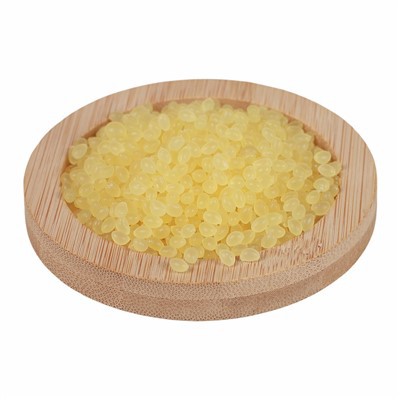
As global manufacturing moves towards greener, smarter, and higher-performance manufacturing, the hot melt adhesive industry is undergoing a new round of technological upgrades. In the past, hot melt adhesives relied primarily on their advantages of rapid curing, high bonding strength, and ease of application in packaging, furniture, textiles, and automotive industries. Now, the focus of industry competition has gradually shifted from "whether it can bond" to "whether it can achieve high performance, low carbon footprint, and recyclability."
In 2026, a study published in *Nature Sustainability* attracted attention from the materials and adhesives industry. Researchers developed a polyesteramide hot melt adhesive based on bio-derived raw materials. Through multi-block molecular structure design, it improved mechanical strength and interfacial adhesion while achieving chemical recycling. This material can be applied to various substrates such as metals, glass, and wet wood, and possesses good thermal stability and adjustable mechanical properties. More importantly, its recycling process can achieve a closed-loop chemical cycle, providing a new technological approach for the future development of high-performance sustainable hot melt adhesives.
Large adhesive companies are also continuously driving the upgrading of hot melt adhesive technology. Taking Henkel as an example, its Technomelt Supra series, after years of development, has gradually expanded from the traditional EVA system to polyolefins and low-temperature application technologies. These products help packaging production reduce energy consumption and improve production efficiency by improving thermal stability, reducing unit adhesive usage, and lowering application temperatures. At the same time, the application of bio-based raw materials has become an important direction for its sustainable product development.
In the Chinese market, bio-based hot melt adhesive technology is also accelerating its industrialization. In 2026, a bio-based hot melt adhesive product won a Tex Year award for innovative materials. Its technology uses renewable plant-based raw materials to partially replace traditional petrochemical raw materials, reflecting the trend of hot melt adhesive products towards low-carbon and sustainable development.
It is worth noting that the application scenarios of hot melt adhesives will become more specialized in the future. For example, in the recyclable packaging sector, adhesives not only need to possess excellent bonding properties but also meet requirements such as easy separation, low residue, and no impact on subsequent recycling. In automotive wiring harnesses, electronic products, medical supplies, and new energy-related fields, hot melt adhesives need to balance high-temperature resistance, aging resistance, flexibility, and long-term stability.
Overall, the technological development of the hot melt adhesive industry in 2026 showed three distinct directions: a continuously increasing proportion of bio-based raw materials, product development towards recyclability and reusability, and a continued expansion of functional and specialized applications. In the future, hot melt adhesive products that can simultaneously meet performance, environmental protection, and production efficiency requirements will be more competitive in the market.
For hot melt adhesive manufacturers, continuously strengthening formula research and development, optimizing polymer structures, and developing low-temperature application and high-performance functional products will become important paths to enhance their competitiveness. Hot melt adhesives are gradually evolving from traditional auxiliary materials into key functional materials driving green manufacturing and advanced industrial development.