With the rapid development of the new energy vehicle industry, the demand for lightweight, eco-friendly, and intelligent vehicles is continuously increasing. As a result, adhesives are being increasingly utilized in automotive interiors. Compared to traditional mechanical connection methods, adhesives not only reduce the weight of the vehicle body but also enhance the comfort, aesthetics, and safety of the interior.
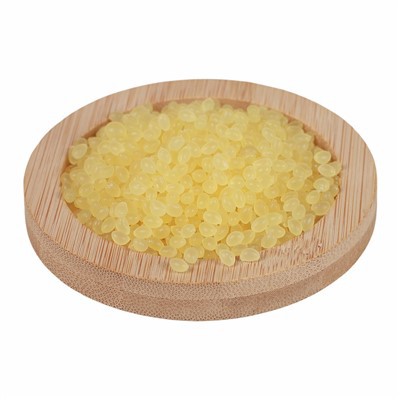
The commonly used adhesives for the interior of new energy vehicles mainly include polyurethane adhesive, hot-melt adhesive, acrylic adhesive, and silicone adhesive. Among them, polyurethane adhesive, with its excellent flexibility and durability, is widely used for bonding instrument panels, door panels, seats, and ceilings. Hot-melt adhesive, due to its fast curing speed and high application efficiency, is extensively employed for interior cladding and wire harness fixation. Silicone adhesive, with its good resistance to high and low temperatures, is suitable for sealing and protecting electronic components and intelligent display modules.
In new energy vehicles, the increase in electronic configurations such as large-sized central control screens, intelligent cockpits, and ambient lighting has raised higher demands on adhesives. Adhesives not only need to possess excellent bonding strength, but also exhibit low VOC (volatile organic compounds), low odor, flame retardancy, and aging resistance to meet the requirements for indoor air quality and long-term stability.
In addition, new energy vehicles place particular emphasis on lightweight design. Adhesives can replace some screws and welding processes, effectively reducing the overall weight of the vehicle, thereby enhancing its endurance. At the same time, adhesives can also reduce abnormal noise, improve NVH (Noise, Vibration, and Harshness) performance, and enhance the driving experience.
In the future, with the development trend towards intelligent and high-end new energy vehicles, environmentally friendly, high-performance, and multifunctional adhesives will become the key development direction in the industry, and will play a more important role in the automotive interior field.