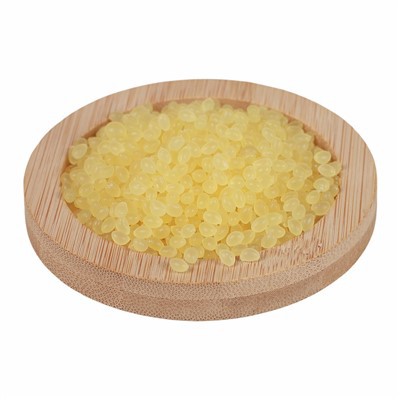
With the rapid development of the electronics, power, automotive, and new energy industries, heat shrink tubing, as an important insulation and protection material, is widely used in wire harness connections, cable sealing, and electronic component protection. Hot melt adhesive plays a crucial role in improving the performance of heat shrink tubing. In particular, the emergence of adhesive-coated heat shrink tubing not only provides insulation protection but also achieves multiple effects such as waterproofing, moisture resistance, sealing, and enhanced mechanical strength.
Heat shrink tubing is typically made of polyolefin materials, which can rapidly shrink and tightly wrap around the surface of cables or connectors under heating conditions. If a layer of hot melt adhesive is pre-coated on the inner wall of the heat shrink tubing, the hot melt adhesive will melt and flow simultaneously when the heat shrink tubing shrinks, filling the gap between the cable and the heat shrink tubing to form a strong adhesive and sealing structure. This design effectively prevents moisture, dust, and corrosive media from entering the connection area, thereby improving product reliability and service life.
Currently, the hot melt adhesives used in heat shrink tubing mainly include EVA hot melt adhesive, polyamide hot melt adhesive, and modified polyolefin hot melt adhesive. EVA hot melt adhesives are characterized by good flexibility, stable adhesion, and low processing temperature, making them suitable for general electronic wire harnesses and the home appliance industry. Polyamide hot melt adhesives possess excellent high-temperature resistance, oil resistance, and chemical corrosion resistance, making them more suitable for harsh environments such as automotive engine compartments and industrial equipment. Modified polyolefin hot melt adhesives, due to their better compatibility with heat shrink tubing substrates, are increasingly widely used in new energy batteries, communication equipment, and high-end electronics.
In the automotive industry, adhesive-coated heat shrink tubing is widely used for automotive wire harness connections, waterproof connectors, and sensor protection. Automobiles operate in high-temperature, humid, and vibrating environments, requiring extremely high sealing performance for wire harnesses. Hot melt adhesives can form a stable waterproof layer during heat shrinking, effectively improving the durability and safety of connections. In the new energy vehicle sector, power battery systems have even higher requirements for insulation and moisture protection; hot melt adhesive heat shrink tubing can provide reliable protection for high-voltage wire harnesses, reducing safety hazards.
In the communications and electronics industry, hot melt adhesive heat shrink tubing is commonly used for fiber optic splice protection, electronic component packaging, and PCB circuit protection. Its superior sealing performance reduces the impact of ambient moisture on electronic components, improving equipment operational stability. Meanwhile, with the development of 5G communication, energy storage systems, and smart devices, market demand for low-odor, low-VOC, and environmentally friendly hot melt adhesives is constantly increasing.
In the future, the application of hot melt adhesives in heat shrink tubing will develop towards high performance, environmental friendliness, and functionality. High temperature resistance, flame retardancy, low smoke and halogen-free properties, and high adhesion will become important trends in product upgrades. With continuous advancements in materials technology, hot melt adhesives will further enhance the overall performance of heat shrink tubing, providing safer and more reliable solutions for the electronics, electrical, and new energy industries.