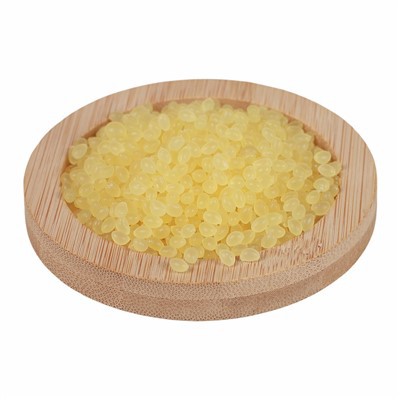
As the packaging industry continues to develop towards automation, high efficiency, and environmental protection, hot melt adhesives, as an important environmentally friendly adhesive, have been widely used in various fields such as food, beverage, pharmaceutical, e-commerce logistics, and daily chemical packaging. Hot melt adhesives have advantages such as fast curing speed, high bonding strength, no solvent pollution, and suitability for high-speed production lines, thus occupying an important position in the modern packaging industry.
1. Carton Sealing Applications
Carton packaging is one of the most important application areas for hot melt adhesives, especially in corrugated carton sealing, cardboard box forming, and express packaging. On automated packaging production lines, hot melt adhesives can achieve rapid spraying and instant curing, improving packaging efficiency. Compared to traditional tape sealing, hot melt adhesive sealing is more secure, aesthetically pleasing, and has better tamper resistance.
With the rapid development of the e-commerce logistics industry, a large number of express cartons need to be sealed at high speed. Hot melt adhesives can not only reduce labor costs but also improve packaging stability, reducing the problems of opening and damage during transportation. Furthermore, hot melt adhesives are suitable for automated equipment used in the production of cartons of various sizes, meeting the needs of large-scale continuous production.

2. Food and Beverage Packaging Applications
In the food and beverage packaging field, hot melt adhesives are widely used in carton packaging, beverage labeling, straw bonding, paper cup sealing, and flexible packaging lamination. Due to the high environmental and safety requirements of food packaging, the solvent-free and low VOC emission characteristics of hot melt adhesives offer significant advantages.
For example, in the labeling of mineral water and beverage bottles, hot melt adhesives enable high-speed labeling while maintaining a flat, aesthetically pleasing, and non-detachable label. Simultaneously, some food-grade hot melt adhesives comply with FDA and other relevant standards and can be directly applied to food contact materials. With the development of green packaging, more and more environmentally friendly hot melt adhesives are also being used in biodegradable food packaging materials.

3. Label and Self-Adhesive Packaging Applications
Label packaging is one of the important application areas for hot melt adhesives. In daily chemical products, beverage bottles, canned goods, and logistics packaging, a large number of OPP labels and self-adhesive labels require the use of hot melt adhesives for bonding. Hot melt adhesives are characterized by strong initial tack, rapid curing, and high transparency, ensuring firm label adhesion and adaptability to high-speed labeling equipment.
Furthermore, pressure-sensitive hot melt adhesives are widely used in logistics and express delivery labels, self-adhesive stickers, and electronic tags. These hot melt adhesives not only have stable bonding performance but also good temperature resistance and aging resistance, meeting the needs of complex transportation environments.

4. Pharmaceutical and Daily Chemical Packaging Applications
In the pharmaceutical packaging industry, hot melt adhesives are mainly used for medicine box sealing, instruction manual bonding, and medical packaging material lamination. Due to the high cleanliness and environmental protection requirements of the pharmaceutical industry, hot melt adhesives are widely used because they have no solvent evaporation, low odor, and low pollution.
In daily chemical packaging, hot melt adhesives are commonly used in cosmetic packaging boxes, toiletries labels, and disposable hygiene product packaging. Their rapid curing characteristics effectively improve packaging efficiency while ensuring a clean and aesthetically pleasing product appearance.

5. Future Development Trends
With the continuous upgrading of the global packaging industry, hot melt adhesives are developing towards higher performance, environmental friendliness, and functionality. Low-odor, bio-based, and recyclable hot melt adhesives are gradually becoming market hotspots. Meanwhile, the widespread adoption of smart manufacturing and automated packaging equipment is further driving the application of hot melt adhesives in high-speed packaging.
In the future, hot melt adhesives will play an even more important role in green packaging, e-commerce logistics, and smart packaging, providing the packaging industry with more efficient and environmentally friendly solutions.