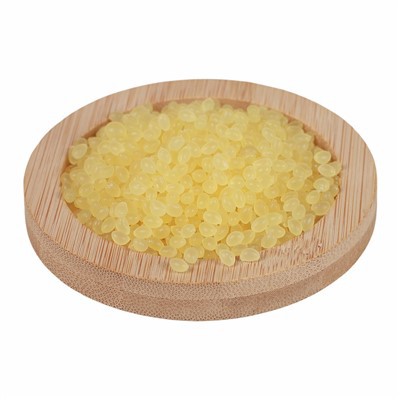
As the textile, apparel, and footwear industries continue to develop towards higher efficiency, environmental friendliness, and intelligent manufacturing, traditional sewing processes are gradually being combined with advanced adhesive technologies. Hot melt adhesives, with their advantages of being solvent-free, having a fast curing speed, high bonding strength, and high production efficiency, have become an indispensable material in the textile and footwear fields.
1. Applications in Garment Bonding and Seamless Processes

2. Footwear Material Lamination and Upper Bonding

3. Functional Textile Lamination

4. A Crucial Role in Automated Production
Modern textile and footwear companies are accelerating their upgrades to automation and intelligent manufacturing. Hot melt adhesives, with their rapid curing and ease of automated application, can be used in conjunction with automated glue spraying equipment, laminating equipment, and robotic production lines.
By precisely controlling the amount of adhesive applied and the bonding location, not only can product consistency be improved, but material waste can also be reduced, lowering production costs. Simultaneously, the hot melt adhesive production process does not require prolonged drying, significantly improving production efficiency and capacity utilization.
5. Future Development Trends
In the future, with increasingly stringent environmental regulations and rising consumer demand for high-quality products, hot melt adhesives will play an even more important role in the textile and footwear industry. High-performance PUR hot melt adhesives, bio-based hot melt adhesives, and recyclable and environmentally friendly hot melt adhesives will become key areas of industry development. Through continuous technological innovation, hot melt adhesives will further drive the textile and footwear industry towards green, high-end, and intelligent development.
Hot melt adhesives are not only a bridge connecting materials, but also a vital force driving technological upgrades and product innovation in the textile and footwear industry. With the continuous expansion of their application scenarios, their market prospects will become even broader.