


Bookbinding is a crucial process in the production of books, magazines, and other printed materials. The choice of adhesive plays a significant role in determining the quality and durability of the bound product. Among the various adhesives available, bookbinding hot melt adhesive has gained popularity due to its numerous advantages, such as fast bonding, strong adhesion, and ease of use. In this blog post, we, as a bookbinding hot melt adhesive supplier, will explore the different materials that bookbinding hot melt adhesive can bond to.
Paper and Cardboard
One of the most common applications of bookbinding hot melt adhesive is bonding paper and cardboard. Whether it's for hardcover books, paperback books, or promotional brochures, hot melt adhesive provides a reliable bond that holds the pages together securely. The adhesive can penetrate the fibers of the paper or cardboard, creating a strong mechanical bond. It also has excellent resistance to aging and moisture, ensuring that the bound product remains intact over time.
For instance, when binding a hardcover book, the hot melt adhesive is applied to the spine of the book block, which consists of the assembled pages. The adhesive quickly sets, allowing the cover to be attached firmly. This bond not only provides structural support but also gives the book a professional and finished look. Similarly, in the case of paperback books, the adhesive is used to attach the cover to the book block, ensuring that the pages stay together during handling and reading.
Fabric
Fabric is another material that can be bonded using bookbinding hot melt adhesive. In the bookbinding industry, fabric is often used for book covers, especially for high - end or specialty books. The hot melt adhesive can create a strong bond between the fabric and the book block or the board used for the cover.
When bonding fabric, the adhesive must be able to withstand the flexibility and movement of the fabric without peeling or losing its adhesion. Bookbinding hot melt adhesives are formulated to have good flexibility and elasticity, which makes them suitable for this application. For example, a leather - like fabric cover can be attached to a book block using hot melt adhesive, providing an elegant and durable finish. The adhesive ensures that the fabric remains in place, even when the book is opened and closed repeatedly.
Leather
Leather is a premium material used in bookbinding, particularly for luxury books and journals. Bookbinding hot melt adhesive can effectively bond leather to other materials, such as cardboard or paperboard used in the book cover. The adhesive needs to have good adhesion to the leather surface, which is often smooth and non - porous.

Modern hot melt adhesives are designed to have excellent wetting properties, which means they can spread evenly over the leather surface and form a strong bond. They also have good heat resistance, which is important during the bookbinding process, as the adhesive may be exposed to heat during the pressing or laminating steps. For example, when creating a leather - bound journal, the hot melt adhesive can be used to attach the leather cover to the inner pages, providing a luxurious and long - lasting finish.
Plastic
Plastic materials are commonly used in bookbinding for various purposes, such as creating protective covers or inserts. Bookbinding hot melt adhesive can bond different types of plastics, including polypropylene, polyethylene, and PVC. However, the adhesion to plastic can be more challenging compared to other materials, as plastics often have low surface energy.
To improve the adhesion to plastic, some bookbinding hot melt adhesives are formulated with special additives or primers. These additives can increase the surface energy of the plastic, allowing the adhesive to bond more effectively. For example, when using a plastic cover for a magazine, the hot melt adhesive can be used to attach the cover to the magazine pages. The adhesive provides a strong and durable bond, even in the face of regular handling.
Metal
Although less common than other materials, metal can also be bonded using bookbinding hot melt adhesive in certain bookbinding applications. For example, metal accents or decorative elements may be added to a book cover, and hot melt adhesive can be used to attach them.
The key to bonding metal is to ensure that the surface of the metal is clean and free of grease or oxidation. Bookbinding hot melt adhesives can form a strong bond with metal surfaces, provided that the appropriate surface preparation is done. The adhesive should also have good resistance to corrosion, as metal can be prone to rusting over time. For instance, a metal bookmark or a decorative metal plate can be attached to a book cover using hot melt adhesive, adding a unique and stylish touch to the book.
Adhesive Lined Heat Shrink Tubing
In addition to the traditional materials mentioned above, bookbinding hot melt adhesive can also be used in conjunction with Adhesive Lined Heat Shrink Tubing. This tubing is often used for protecting and strengthening the edges of books or for creating a seamless finish.
When heated, the heat - shrink tubing shrinks and conforms to the shape of the book, while the adhesive lining inside the tubing bonds to the book materials. The bookbinding hot melt adhesive in the tubing provides a strong and waterproof seal, protecting the book from damage. For example, in the restoration of old books, adhesive - lined heat - shrink tubing can be used to repair and reinforce the spine, ensuring that the book remains intact for years to come.
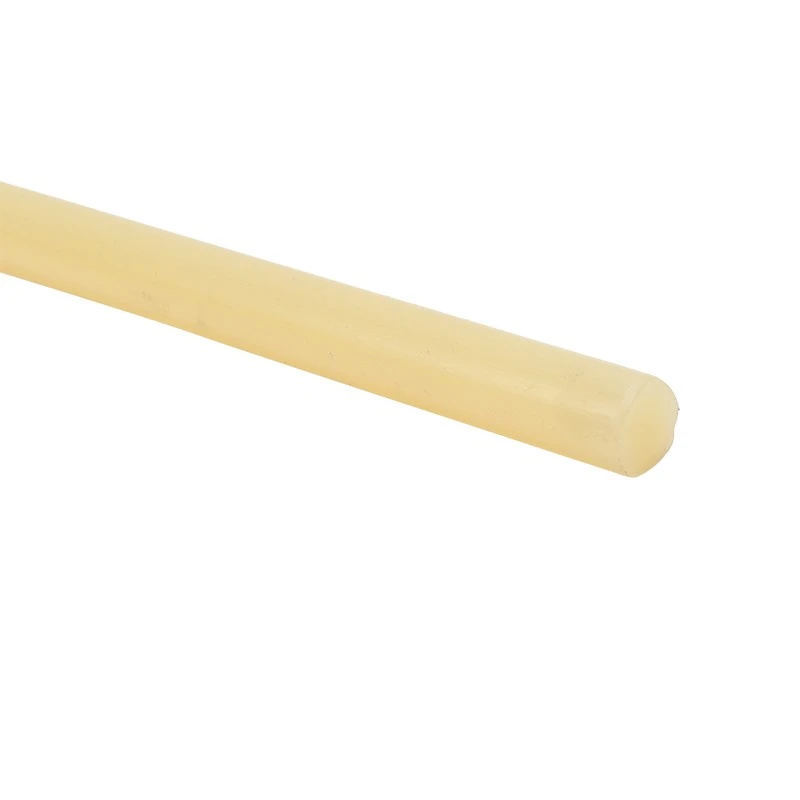
Yellow Hot Melt Stick and Yellow Hot Melt Adhesive
Our company offers high - quality Yellow Hot Melt Stick and Yellow Hot Melt Adhesive for bookbinding applications. These products are specially formulated to provide excellent adhesion to a wide range of materials, including paper, cardboard, fabric, leather, plastic, and metal.
The yellow hot melt stick is convenient to use, as it can be inserted into a hot melt glue gun and melted quickly. It is suitable for small - scale bookbinding projects or for making quick repairs. On the other hand, the yellow hot melt adhesive is available in larger quantities and can be used in industrial - scale bookbinding operations. Both products offer strong and durable bonds, ensuring the quality of the bound books.
Conclusion
Bookbinding hot melt adhesive is a versatile and reliable adhesive that can bond to a wide variety of materials, including paper, cardboard, fabric, leather, plastic, metal, and can be used in conjunction with adhesive - lined heat - shrink tubing. Its fast - bonding properties, strong adhesion, and ease of use make it an ideal choice for the bookbinding industry.
If you are in the market for high - quality bookbinding hot melt adhesive, we invite you to contact us for more information and to discuss your specific requirements. Our team of experts is ready to assist you in finding the best adhesive solution for your bookbinding projects.
References
- "Handbook of Adhesives" by I. Skeist
- "Bookbinding and the Conservation of Books: A Dictionary of Descriptive Terminology" by Paul Needham


