


Hey there! As a supplier of flannel tape, I often get asked about the recommended temperature range for using this stuff. It's a crucial question because getting the temperature right can make a huge difference in how well the tape performs. So, let's dive into it.
First off, flannel tape is pretty versatile, but like any product, it has its limits when it comes to temperature. Generally speaking, the ideal temperature range for using flannel tape is between 40°F (4°C) and 100°F (38°C). This range allows the adhesive on the tape to work at its best.
When the temperature is too low, say below 40°F, the adhesive can become stiff and less sticky. You know how things get all hard and brittle in the cold? Well, the same goes for the adhesive on flannel tape. It won't stick as well, and you might find that it starts to peel off sooner than you'd like. If you're using the tape in a cold environment, you can try warming it up a bit before applying it. You could use a heat gun on a low setting or just hold it in your hand for a few minutes to get it to a more workable temperature.
On the other hand, when the temperature gets too high, above 100°F, the adhesive can start to soften and become too sticky. This can lead to a mess. The tape might not hold its shape properly, and it could even leave residue behind when you try to remove it. In extreme heat, the flannel material itself might start to break down or lose its integrity. So, if you're using the tape in a hot environment, you need to be extra careful.
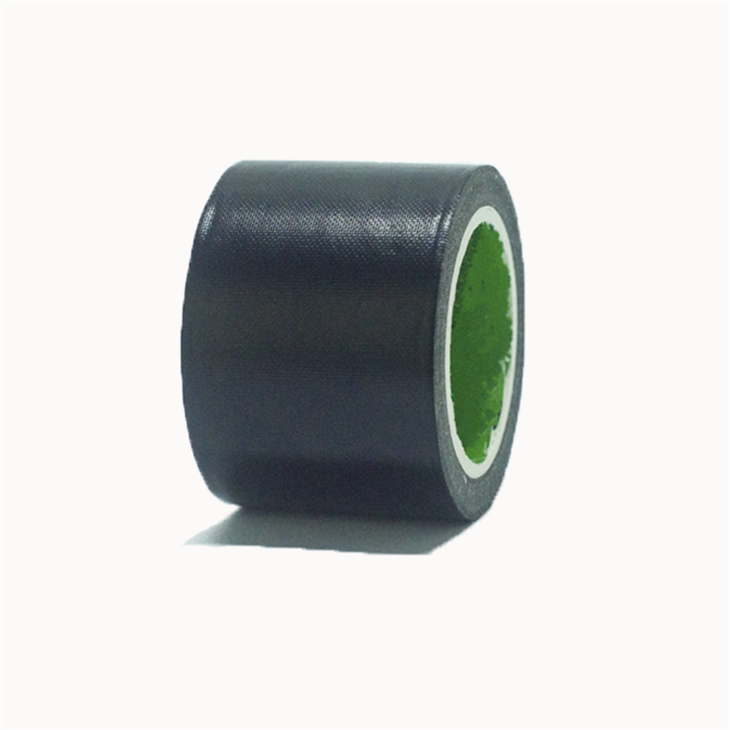

Now, let's talk about some specific scenarios where temperature matters. If you're using flannel tape for outdoor projects, you've got to pay attention to the weather. In the winter, especially in cold climates, you'll need to take extra precautions. Make sure the surface you're applying the tape to is clean and dry, and try to work in a sheltered area where the temperature is a bit more stable. In the summer, when it's hot outside, avoid applying the tape during the hottest part of the day. Early morning or late evening are usually better times.
For indoor projects, temperature control is a bit easier. You can adjust the thermostat to keep the environment within the recommended range. But even indoors, there can be hot spots near heaters or cold spots near air conditioning vents. So, make sure you choose a spot away from these areas when you're working with the tape.
Another thing to consider is the type of surface you're applying the tape to. Different surfaces can react differently to temperature changes. For example, a metal surface will get hotter in the sun and colder in the cold than a wooden surface. So, if you're using flannel tape on a metal surface, you need to be extra mindful of the temperature.
Now, I know there are other types of tapes out there, and they have their own temperature ranges too. For instance, Silicone Rubber Self-adhesive Tape can handle higher temperatures than flannel tape. It's great for applications where you need a tape that can withstand heat, like in electrical work or around engines. Teflon Film Tape is also known for its high-temperature resistance. It's often used in industrial settings where extreme heat is a factor. And if you really need a tape that can take the heat, High Temperature Teflon Tape is a great option.
But for many everyday applications, flannel tape is the way to go. It's soft, flexible, and has a good adhesive that works well within the recommended temperature range. Whether you're using it for crafting, DIY projects, or light industrial work, following the temperature guidelines will ensure that you get the best results.
So, to sum it up, the recommended temperature range for using flannel tape is between 40°F and 100°F. By keeping the temperature within this range, you'll ensure that the tape adheres properly, lasts longer, and performs as expected. If you have any questions about using flannel tape or need help choosing the right tape for your project, don't hesitate to reach out. We're here to help you make the most of our products.
If you're interested in purchasing flannel tape or any of our other products, we'd love to have a chat with you. Just get in touch, and we can discuss your specific needs and find the best solution for you. Whether you're a small business looking for a reliable tape supplier or an individual working on a DIY project, we've got you covered.
References:
- General knowledge of adhesive tape properties and temperature effects
- Industry standards for tape usage in different temperature environments


