


As a supplier of EVA Hot Melt Sheet, I often get asked about the chemical resistance of this remarkable product. Understanding the chemical resistance of EVA Hot Melt Sheet is crucial for various applications, as it determines how well the material can withstand exposure to different chemicals without significant degradation. In this blog post, I'll delve into the chemical resistance of EVA Hot Melt Sheet, exploring its properties, factors affecting it, and its implications in real - world applications.
What is EVA Hot Melt Sheet?
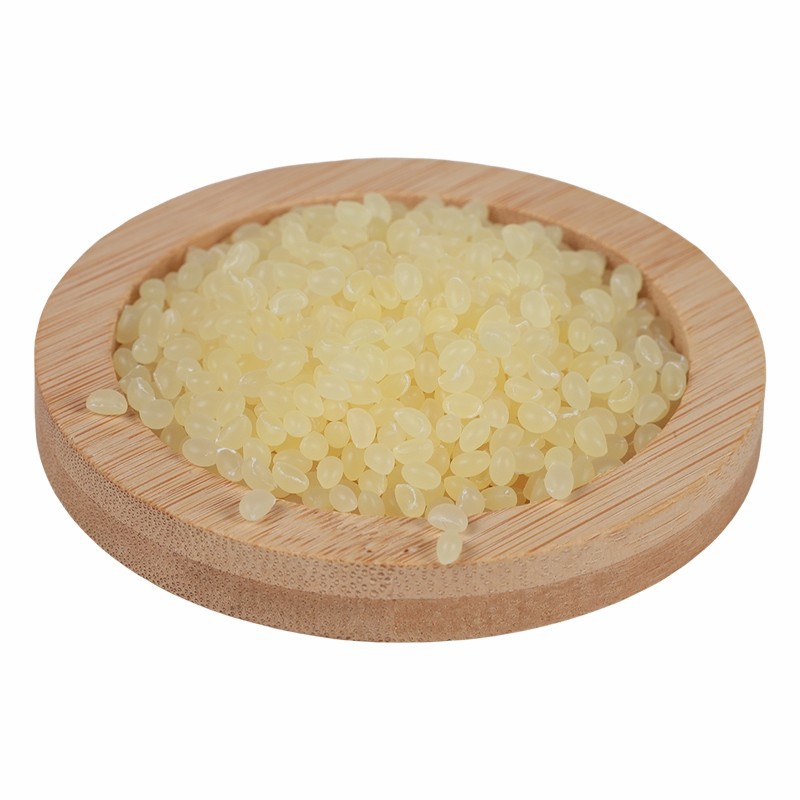
EVA, or ethylene - vinyl acetate, is a copolymer made from ethylene and vinyl acetate. EVA Hot Melt Sheet is a solid adhesive at room temperature. When heated, it melts and becomes a viscous liquid that can bond different materials together. This type of hot - melt adhesive is widely used in industries such as packaging, woodworking, and textile manufacturing due to its fast bonding speed, good adhesion, and ease of use.
Chemical Resistance Basics
Chemical resistance refers to the ability of a material to withstand the action of chemicals without undergoing physical or chemical changes that would compromise its performance. For EVA Hot Melt Sheet, chemical resistance is evaluated based on how it reacts to different types of chemicals, including solvents, acids, bases, and oxidizing agents.
Solvent Resistance
Solvents are substances that can dissolve other materials. The solvent resistance of EVA Hot Melt Sheet depends on the type of solvent and the vinyl acetate content in the EVA copolymer. Generally, EVA Hot Melt Sheets with higher vinyl acetate content are more resistant to non - polar solvents such as aliphatic hydrocarbons (e.g., hexane, heptane). However, they are more susceptible to polar solvents like ketones (e.g., acetone) and esters (e.g., ethyl acetate).
When exposed to non - polar solvents, EVA Hot Melt Sheet may show only minor swelling or no significant change in its properties. In contrast, exposure to polar solvents can cause the sheet to swell, soften, or even dissolve, leading to a loss of adhesion and mechanical strength.
Acid and Base Resistance
The resistance of EVA Hot Melt Sheet to acids and bases is also an important consideration. EVA is generally resistant to weak acids and bases at room temperature. However, strong acids and bases can react with the vinyl acetate groups in the EVA copolymer, causing hydrolysis.
Hydrolysis is a chemical reaction in which water breaks the bonds in the polymer. In the case of EVA, strong acids or bases can catalyze this reaction, leading to the degradation of the polymer chain. As a result, the EVA Hot Melt Sheet may lose its adhesion and mechanical properties when exposed to strong acidic or basic environments for an extended period.
Oxidizing Agent Resistance
Oxidizing agents are substances that can accept electrons from other substances, causing oxidation. EVA Hot Melt Sheet has limited resistance to strong oxidizing agents such as hydrogen peroxide and chlorine. Oxidation can break the polymer chains in EVA, leading to a decrease in molecular weight and a loss of mechanical properties.
When exposed to oxidizing agents, the EVA Hot Melt Sheet may become brittle, discolored, and lose its adhesion. The degree of degradation depends on the concentration of the oxidizing agent, the temperature, and the exposure time.
Factors Affecting Chemical Resistance
Several factors can affect the chemical resistance of EVA Hot Melt Sheet:
Vinyl Acetate Content
As mentioned earlier, the vinyl acetate content in the EVA copolymer plays a significant role in determining its chemical resistance. Higher vinyl acetate content generally increases the polarity of the EVA, making it more resistant to non - polar solvents but more susceptible to polar solvents.
Cross - Linking
Cross - linking is a process in which polymer chains are connected by chemical bonds. Cross - linked EVA Hot Melt Sheets have better chemical resistance compared to non - cross - linked ones. Cross - linking can improve the resistance to solvents, acids, bases, and oxidizing agents by preventing the polymer chains from being easily broken or dissolved.
Additives
Additives such as antioxidants, UV stabilizers, and fillers can also affect the chemical resistance of EVA Hot Melt Sheet. Antioxidants can prevent oxidation of the polymer, while UV stabilizers can protect the sheet from the damaging effects of ultraviolet light. Fillers can improve the mechanical properties and chemical resistance of the sheet by providing a physical barrier against chemicals.
Real - World Applications and Chemical Resistance
The chemical resistance of EVA Hot Melt Sheet is critical in many real - world applications:
Packaging Industry
In the packaging industry, EVA Hot Melt Sheet is used to seal boxes and packages. It needs to withstand exposure to various chemicals during storage and transportation, such as cleaning agents, moisture, and some mild solvents. The chemical resistance of EVA ensures that the adhesive remains intact and maintains its bonding strength over time.

Woodworking Industry
In woodworking, EVA Hot Melt Sheet is used to bond wood pieces together. It may be exposed to wood preservatives, paints, and solvents used in the finishing process. A good chemical - resistant EVA Hot Melt Sheet can ensure that the bond between the wood pieces remains strong even when exposed to these chemicals.
Textile Industry
In the textile industry, EVA Hot Melt Sheet is used for fabric bonding. It may come into contact with dyes, detergents, and other chemicals used in the textile processing. The chemical resistance of EVA is essential to maintain the integrity of the bond and the quality of the textile products.
Comparison with Other Hot - Melt Adhesives
When comparing EVA Hot Melt Sheet with other types of hot - melt adhesives, such as Double Walled Hot Melt Adhesive, PA Hot Melt Mesh Film, and Yellow Hot Melt Adhesive, the chemical resistance profile is different.
Double Walled Hot Melt Adhesive is designed for specific applications where high - strength bonding and resistance to certain environmental factors are required. Its chemical resistance may be tailored to meet the needs of these applications, which could be different from those of EVA Hot Melt Sheet.

PA Hot Melt Mesh Film, made from polyamide, generally has good chemical resistance, especially to solvents and some chemicals. It may outperform EVA Hot Melt Sheet in applications where exposure to harsh chemicals is expected.
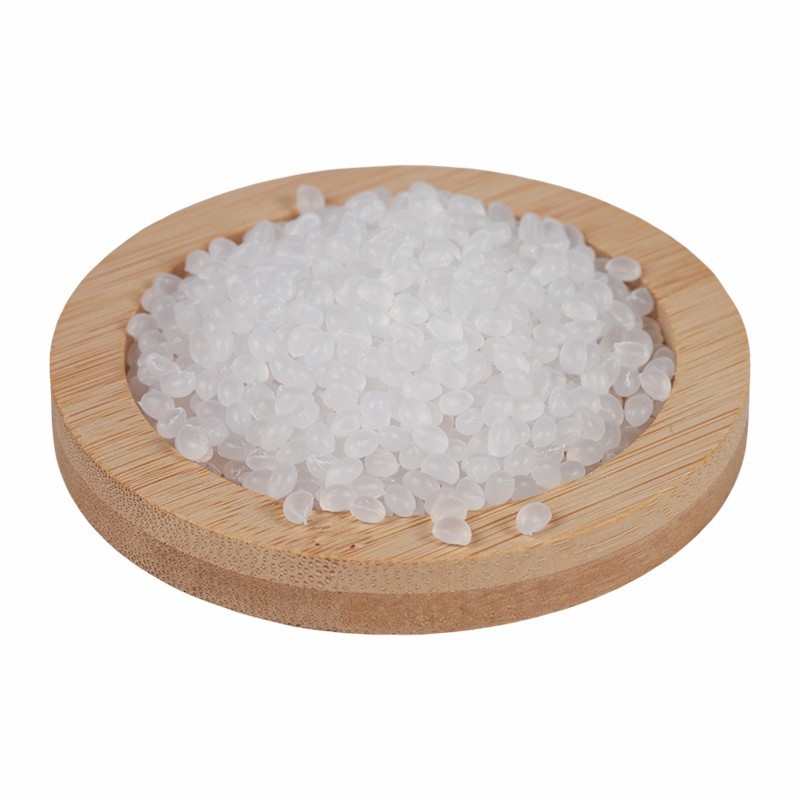
Yellow Hot Melt Adhesive is often used for general - purpose bonding. Its chemical resistance may be suitable for less demanding applications compared to EVA Hot Melt Sheet in some cases, but it also has its own unique properties.
Conclusion
In conclusion, the chemical resistance of EVA Hot Melt Sheet is a complex property that depends on various factors such as vinyl acetate content, cross - linking, and additives. Understanding the chemical resistance of EVA Hot Melt Sheet is essential for selecting the right adhesive for specific applications. Whether you are in the packaging, woodworking, or textile industry, choosing an EVA Hot Melt Sheet with appropriate chemical resistance can ensure the long - term performance and reliability of your products.
If you are interested in learning more about our EVA Hot Melt Sheet or other hot - melt adhesive products, and would like to discuss your specific requirements for your projects, please feel free to contact us. We are always ready to assist you in finding the best adhesive solutions for your needs.
References
- "Handbook of Adhesives", Edited by I. Skeist.
- "Polymer Science and Technology", Second Edition, by S. L. Rosen.
- Technical literature from EVA polymer manufacturers.


