


As a supplier of Cross Hot Melt Adhesive Strips, I've had the privilege of witnessing the diverse applications and performance requirements of our products. One question that frequently arises from our customers is about the abrasion resistance of Cross Hot Melt Adhesive Strips. In this blog post, I'll delve into what abrasion resistance means in the context of these adhesive strips, why it's crucial, and how our products stack up in this regard.
Understanding Abrasion Resistance
Abrasion resistance refers to a material's ability to withstand the wear and tear caused by friction when it comes into contact with another surface. In the case of Cross Hot Melt Adhesive Strips, this is particularly important because they are often used in applications where they may be subject to rubbing, scraping, or other forms of mechanical stress.

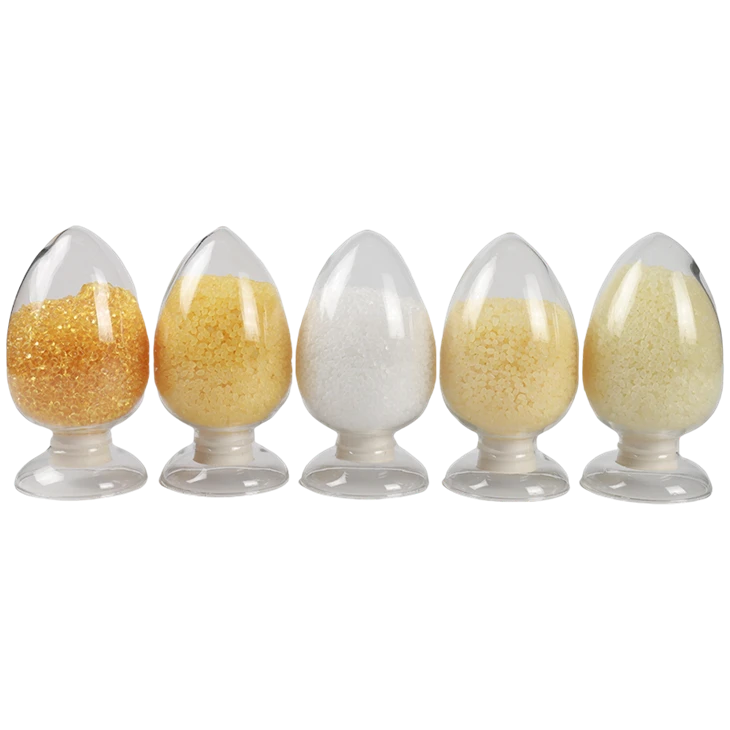
When an adhesive strip lacks sufficient abrasion resistance, it can lead to a variety of problems. For example, the adhesive may start to peel off or break down over time, which can compromise the integrity of the bond it forms. This can be especially problematic in industrial settings, where a strong and reliable bond is essential for the proper functioning of equipment or products.
Factors Affecting Abrasion Resistance
Several factors can influence the abrasion resistance of Cross Hot Melt Adhesive Strips. One of the most important is the formulation of the adhesive itself. Different types of polymers and additives can be used to create adhesives with varying levels of abrasion resistance. For example, some adhesives may contain elastomers or other toughening agents that can help to improve their ability to withstand friction.
The thickness of the adhesive strip also plays a role. Thicker strips generally have better abrasion resistance than thinner ones, as they have more material to absorb the energy of the friction. However, it's important to note that increasing the thickness too much can also have negative consequences, such as reducing the flexibility of the strip or increasing its cost.
The surface texture of the materials being bonded can also affect abrasion resistance. Rough or uneven surfaces can cause more friction and wear on the adhesive strip, while smooth surfaces can reduce the amount of stress. Therefore, it's important to choose an adhesive strip that is compatible with the surface texture of the materials you are using.
Importance of Abrasion Resistance in Different Applications
The importance of abrasion resistance can vary depending on the specific application of the Cross Hot Melt Adhesive Strip. Here are some examples of industries and applications where abrasion resistance is particularly crucial:
Automotive Industry
In the automotive industry, Cross Hot Melt Adhesive Strips are used for a variety of purposes, such as bonding interior trim components, attaching emblems, and sealing joints. These applications often involve exposure to vibration, friction, and other forms of mechanical stress, which can cause the adhesive to wear out over time. Therefore, it's essential to use adhesive strips with high abrasion resistance to ensure the long-term durability of the bonds.
Electronics Industry
In the electronics industry, adhesive strips are used to bond components together, such as circuit boards, displays, and batteries. These applications require a high level of precision and reliability, as any failure of the adhesive bond can lead to malfunctions or even safety hazards. Abrasion resistance is important in these applications to prevent the adhesive from being damaged during the assembly process or during normal use of the electronic device.
Packaging Industry
In the packaging industry, Cross Hot Melt Adhesive Strips are used to seal boxes, bags, and other types of packaging. These applications often involve handling and transportation, which can subject the adhesive to friction and wear. High abrasion resistance is necessary to ensure that the adhesive remains intact and provides a strong seal throughout the packaging's lifecycle.
Our Cross Hot Melt Adhesive Strips and Abrasion Resistance
At our company, we understand the importance of abrasion resistance in the performance of Cross Hot Melt Adhesive Strips. That's why we have developed a range of products that are specifically designed to provide excellent abrasion resistance in a variety of applications.
Our adhesive strips are formulated using high-quality polymers and additives that have been carefully selected for their ability to withstand friction and wear. We also use advanced manufacturing processes to ensure that the thickness and surface quality of our strips are consistent, which helps to improve their abrasion resistance.
In addition, we offer a variety of testing services to ensure that our products meet the highest standards of quality and performance. Our testing facilities are equipped with state-of-the-art equipment that can simulate real-world conditions and measure the abrasion resistance of our adhesive strips accurately.
Comparing with Other Adhesive Products
When it comes to abrasion resistance, Cross Hot Melt Adhesive Strips have several advantages over other types of adhesives. For example, compared to Double Walled Hot Melt Adhesive, our Cross Hot Melt Adhesive Strips offer better flexibility and conformability, which can help to reduce the stress on the adhesive bond and improve its abrasion resistance.
Compared to Environmentally Friendly Hot Melt Adhesive, our products provide a stronger and more durable bond, which is essential in applications where abrasion resistance is a critical factor.
And compared to EVA Glue, our Cross Hot Melt Adhesive Strips have better resistance to heat, chemicals, and moisture, which can also contribute to their improved abrasion resistance.
Contact Us for Your Abrasion-Resistant Adhesive Needs
If you're looking for high-quality Cross Hot Melt Adhesive Strips with excellent abrasion resistance, look no further. Our team of experts is ready to help you find the right product for your specific application. Whether you're in the automotive, electronics, packaging, or any other industry, we have the experience and expertise to provide you with the best adhesive solutions.
Don't hesitate to contact us to discuss your requirements and learn more about our products. We're committed to providing you with the highest level of customer service and support, and we look forward to working with you to meet your adhesive needs.
References
- ASTM International. (Year). Standard Test Methods for Abrasion Resistance of Organic Coatings by Falling Abrasive. ASTM D968.
- ISO. (Year). Paints and Varnishes - Determination of Abrasion Resistance. ISO 7784.
- Adhesive and Sealant Council. (Year). Handbook of Adhesive Technology.


