


In various industrial and consumer applications, hot melt adhesives are widely used due to their fast bonding speed, strong adhesion, and environmental - friendliness. However, when it comes to environments with vibration, understanding how hot melt adhesive performs is crucial. As a hot melt adhesive supplier, I've had extensive experience and in - depth knowledge about this topic.
I. Understanding the Basics of Hot Melt Adhesive
Hot melt adhesives are thermoplastic materials that are solid at room temperature. When heated, they turn into a liquid state, allowing them to be applied to substrates. Once they cool down, they solidify again, forming a strong bond. The key components of hot melt adhesives typically include polymers, tackifiers, plasticizers, and antioxidants.
The polymers provide the adhesive with its strength and flexibility. Different types of polymers, such as ethylene - vinyl acetate (EVA), polyamides, and polyurethanes, have different properties. For example, EVA - based hot melt adhesives are known for their good adhesion to a wide range of substrates, while polyamide - based adhesives offer high - temperature resistance and excellent flexibility.
Tackifiers are added to increase the initial stickiness of the adhesive, making it easier to bond substrates quickly. Plasticizers are used to improve the flexibility of the adhesive, while antioxidants prevent the adhesive from degrading over time.
II. Factors Affecting the Performance of Hot Melt Adhesive under Vibration
A. Adhesive Formulation
The type of polymer used in the hot melt adhesive formulation has a significant impact on its performance under vibration. For instance, adhesives with high - molecular - weight polymers generally have better resistance to vibration. These polymers can form a more cohesive and durable bond, which can withstand the stress caused by vibration.
The ratio of different components in the adhesive also matters. If the adhesive has too much tackifier, it may be very sticky initially but may not have enough internal strength to resist vibration. On the other hand, an adhesive with an appropriate balance of polymers, tackifiers, and plasticizers will have a better chance of maintaining its bond under vibration.
B. Substrate Properties
The nature of the substrates being bonded is another important factor. Different materials have different surface energies, porosities, and mechanical properties. For example, bonding a smooth metal surface to a porous wood surface with hot melt adhesive will present different challenges compared to bonding two metal surfaces.
The surface preparation of the substrates also affects the adhesive's performance under vibration. A clean and properly prepared surface will allow the adhesive to wet out and bond more effectively. If the surface is dirty, oily, or has a layer of oxidation, the bond strength may be significantly reduced, and the adhesive may be more likely to fail under vibration.
C. Vibration Characteristics
The frequency, amplitude, and duration of the vibration all play a role in how the hot melt adhesive performs. High - frequency vibrations can cause the adhesive to experience rapid cycling of stress, which may lead to fatigue failure. Large - amplitude vibrations can put more strain on the bond, increasing the likelihood of separation.
Long - term exposure to vibration can also cause the adhesive to gradually degrade. Even if the initial bond is strong, continuous vibration can cause micro - cracks to form in the adhesive, which can eventually lead to complete bond failure.
III. Applications and Performance in Vibration - Prone Environments
A. Automotive Industry
In the automotive industry, hot melt adhesives are used in many applications, such as Automotive Wiring Harness Hot Melt Adhesive. Wiring harnesses in vehicles are subject to constant vibration due to the engine's operation and the movement of the vehicle on the road.
Hot melt adhesives used in this application need to have excellent vibration resistance to ensure that the wires remain securely bundled together. If the adhesive fails under vibration, the wires may become loose, which can lead to electrical problems, such as short circuits or intermittent connections.
Automotive manufacturers often require adhesives to pass strict vibration tests, including simulating the vehicle's operation under different driving conditions. Adhesives that can withstand these tests are more likely to be used in automotive applications.
B. Bookbinding Industry
In the bookbinding industry, Bookbinding Hot Melt Adhesive is used to bind the pages of books together. During the handling and transportation of books, they are often subject to vibration.
The adhesive needs to hold the pages firmly in place, even when the book is dropped or jostled. A good bookbinding hot melt adhesive should have sufficient flexibility to withstand the bending and flexing of the book, as well as the vibration during shipping.
C. Pipe Coating Industry
For Hot Melt Adhesive for Coating Pipes, pipes are often installed in environments where they are exposed to vibration, such as in industrial plants or along pipelines. The hot melt adhesive used for coating pipes needs to provide a strong and durable bond between the coating layer and the pipe surface.
Vibration can cause the coating to separate from the pipe if the adhesive is not able to resist the stress. A well - formulated hot melt adhesive for pipe coating should be able to maintain its bond under vibration, protecting the pipe from corrosion and other environmental factors.
IV. Testing and Evaluation of Hot Melt Adhesive under Vibration
A. Laboratory Testing
In the laboratory, various tests can be conducted to evaluate the performance of hot melt adhesive under vibration. One common test is the vibration fatigue test, where a bonded sample is subjected to a controlled vibration environment. The test measures the number of vibration cycles the bond can withstand before failure.

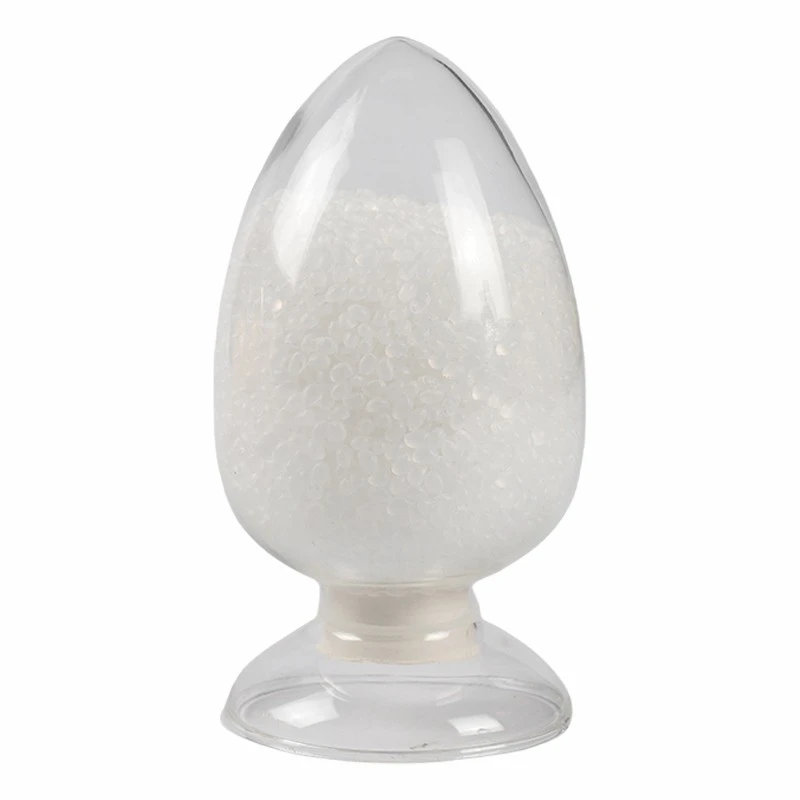
Another test is the dynamic mechanical analysis (DMA), which can provide information about the adhesive's viscoelastic properties under vibration. This test can help determine how the adhesive responds to different frequencies and temperatures of vibration.
B. Field Testing
Field testing is also important to validate the performance of hot melt adhesive in real - world applications. By installing the adhesive in actual products and monitoring its performance over time in vibration - prone environments, we can get a more accurate understanding of how it will perform.
Field testing can also identify any potential issues that may not be apparent in the laboratory, such as the effect of environmental factors like temperature and humidity on the adhesive's performance under vibration.
V. Improving the Performance of Hot Melt Adhesive under Vibration
A. Optimizing the Adhesive Formulation
Based on the understanding of the factors affecting the adhesive's performance under vibration, we can optimize the formulation. This may involve selecting the appropriate polymers, adjusting the ratio of different components, and adding special additives to improve the adhesive's vibration resistance.
For example, adding rubber - like polymers to the adhesive formulation can enhance its flexibility and damping properties, which can help absorb the energy of vibration and reduce the stress on the bond.
B. Proper Substrate Preparation
As mentioned earlier, proper substrate preparation is crucial. This can include cleaning the surface, roughening it to increase the surface area for better adhesion, and applying a primer if necessary.
A well - prepared substrate will allow the adhesive to form a stronger bond, which is more likely to withstand vibration.
C. Application Techniques
The way the hot melt adhesive is applied also affects its performance under vibration. The adhesive should be applied evenly and at the right temperature and pressure. Uneven application can lead to areas of weak bonding, which are more likely to fail under vibration.
VI. Conclusion
In conclusion, the performance of hot melt adhesive under vibration is influenced by multiple factors, including the adhesive formulation, substrate properties, and vibration characteristics. Understanding these factors is essential for ensuring the reliable use of hot melt adhesives in vibration - prone applications.
As a hot melt adhesive supplier, we are committed to developing and providing high - quality adhesives that can meet the demanding requirements of various industries. Our adhesives are rigorously tested in both the laboratory and the field to ensure their performance under vibration.
If you are looking for hot melt adhesives that can perform well under vibration in your specific application, we invite you to contact us for procurement and further technical discussions. We have a team of experts who can provide you with customized solutions based on your needs.
References
- "Handbook of Adhesive Technology" by A. Pizzi and K. L. Mittal
- "Adhesion and Adhesives Technology: An Introduction" by C. A. Dostal


