


Can EVA Hot Melt Adhesive Film be used for bonding ceramics?
As a supplier of EVA Hot Melt Adhesive Film, I often encounter inquiries from customers about the applicability of our products in various bonding scenarios. One question that comes up frequently is whether EVA Hot Melt Adhesive Film can be used for bonding ceramics. In this blog post, I'll explore this topic in detail, discussing the properties of EVA hot melt adhesive film, the characteristics of ceramics, and the factors to consider when using EVA hot melt adhesive film for ceramic bonding.
Properties of EVA Hot Melt Adhesive Film
EVA, or ethylene-vinyl acetate, is a copolymer that is widely used in the production of hot melt adhesive films. EVA hot melt adhesive film offers several advantages, making it a popular choice for many bonding applications.
- Good Adhesion: EVA hot melt adhesive film can adhere to a wide range of materials, including plastics, fabrics, wood, and metals. It forms a strong bond quickly when heated and cooled, providing reliable adhesion for various substrates.
- Flexibility: The EVA copolymer structure gives the adhesive film flexibility, allowing it to withstand some degree of movement and stress without losing its bond. This flexibility is beneficial in applications where the bonded parts may be subject to bending or vibration.
- Fast Setting Time: EVA hot melt adhesive film has a relatively fast setting time, which means that the bonded parts can be handled and put into use shortly after the bonding process. This can increase productivity in manufacturing processes.
- Environmental Friendliness: Compared to some solvent-based adhesives, EVA hot melt adhesive film is more environmentally friendly as it does not contain volatile organic compounds (VOCs) that can be harmful to the environment and human health.
Characteristics of Ceramics
Ceramics are inorganic, non-metallic materials that are typically hard, brittle, and have high melting points. They are used in a wide variety of applications, from household items to high-tech electronic components. Some key characteristics of ceramics that are relevant to bonding include:
- Surface Smoothness: Ceramics often have smooth surfaces, which can pose a challenge for adhesion. The lack of surface roughness means that there are fewer opportunities for the adhesive to mechanically interlock with the ceramic surface.
- Brittleness: Ceramics are brittle materials, which means they can crack or break easily under stress. This brittleness requires the adhesive to have some flexibility to accommodate any movement or stress without causing damage to the ceramic.
- High Melting Point: The high melting point of ceramics means that they can withstand high temperatures. When selecting an adhesive for ceramic bonding, it is important to ensure that the adhesive can also withstand the operating temperatures of the application.
Factors to Consider When Using EVA Hot Melt Adhesive Film for Ceramic Bonding
When considering using EVA hot melt adhesive film for ceramic bonding, several factors need to be taken into account:
- Surface Preparation: Proper surface preparation is crucial for achieving good adhesion between the EVA hot melt adhesive film and the ceramic. The ceramic surface should be clean, dry, and free of any contaminants such as dust, oil, or grease. Sanding the surface slightly can also increase the surface roughness, which can improve the mechanical interlocking of the adhesive.
- Adhesive Compatibility: It is important to ensure that the EVA hot melt adhesive film is compatible with the ceramic material. Some ceramics may have specific chemical compositions or surface treatments that can affect the adhesion of the adhesive. Conducting compatibility tests before full-scale production is recommended.
- Bonding Conditions: The bonding conditions, such as temperature, pressure, and time, can significantly affect the quality of the bond. The EVA hot melt adhesive film needs to be heated to its melting point to become fluid and form a bond with the ceramic. Applying the right amount of pressure during the bonding process can also help to ensure a strong and uniform bond.
- Environmental Conditions: The operating environment of the bonded ceramic parts can also impact the performance of the adhesive. Factors such as temperature, humidity, and exposure to chemicals need to be considered. For example, if the bonded parts will be exposed to high temperatures, a high-temperature-resistant EVA hot melt adhesive film may be required.
Applications of EVA Hot Melt Adhesive Film in Ceramic Bonding
Despite the challenges, EVA hot melt adhesive film can be successfully used for bonding ceramics in certain applications. Here are some examples:
- Ceramic Decorations: EVA hot melt adhesive film can be used to bond ceramic decorations to various substrates, such as wood or plastic. The flexibility of the adhesive allows the decorations to be bent or shaped without losing their bond.
- Ceramic Assemblies: In some cases, EVA hot melt adhesive film can be used to assemble ceramic parts together. For example, it can be used to bond ceramic tiles or small ceramic components in electronic devices.
- Repair of Ceramics: EVA hot melt adhesive film can also be used for the repair of ceramics. It can be used to bond broken ceramic pieces back together, providing a quick and effective repair solution.
Other Types of Adhesives for Ceramic Bonding
While EVA hot melt adhesive film has its advantages, there are also other types of adhesives that can be used for ceramic bonding. Some of these include:
- Epoxy Adhesives: Epoxy adhesives are known for their high strength and chemical resistance. They can provide a strong bond to ceramics, but they often have a longer curing time compared to EVA hot melt adhesive film.
- Silicone Adhesives: Silicone adhesives offer excellent flexibility and heat resistance. They are suitable for bonding ceramics in applications where high temperatures or movement are involved.
- Acrylic Adhesives: Acrylic adhesives provide good adhesion to ceramics and have a fast curing time. They are often used in applications where a clear or transparent bond is required.
Our Product Range
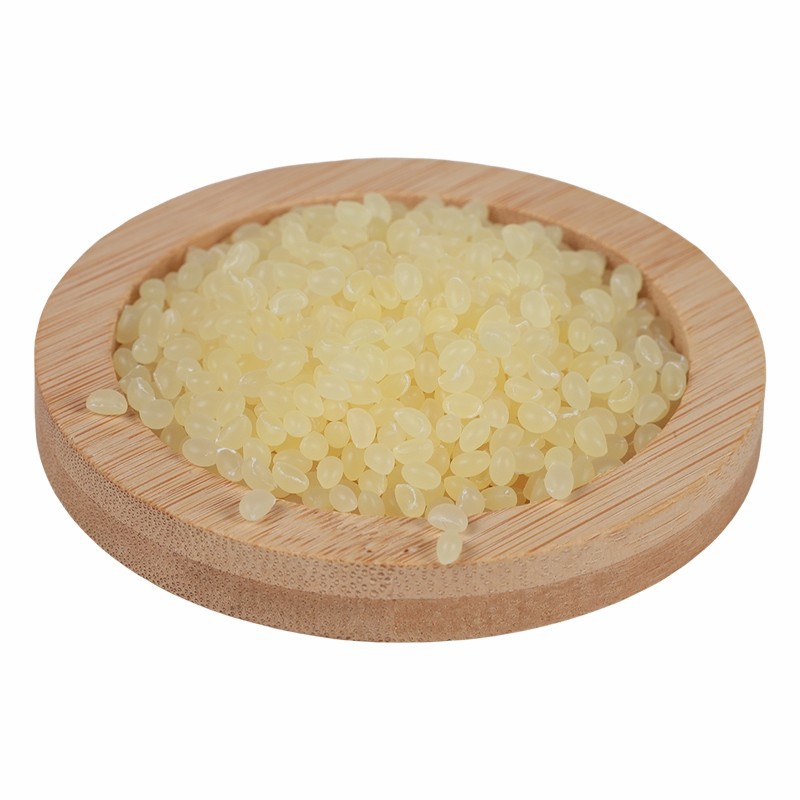
As a supplier of EVA Hot Melt Adhesive Film, we offer a wide range of products to meet different bonding needs. In addition to our standard EVA hot melt adhesive film, we also have Double Walled Hot Melt Adhesive, Transparent Hot Melt Stick, and Jelly Hot Melt Adhesive Film. These products have their own unique properties and can be used in various applications, including ceramic bonding.

Conclusion
In conclusion, EVA hot melt adhesive film can be used for bonding ceramics, but it requires careful consideration of several factors, such as surface preparation, adhesive compatibility, bonding conditions, and environmental conditions. While it may not be suitable for all ceramic bonding applications, it can provide a viable solution in certain cases, especially where flexibility, fast setting time, and environmental friendliness are important.
If you are interested in using our EVA hot melt adhesive film for ceramic bonding or have any questions about our products, please feel free to contact us for further information and to discuss your specific requirements. We are committed to providing high-quality products and excellent customer service to help you achieve the best bonding results.
References
- ASTM International. (20XX). Standard test methods for evaluating the adhesion of adhesives.
- Oberg, E., Jones, F. D., & Horton, H. L. (20XX). Machinery's Handbook. Industrial Press Inc.
- Strong, A. B. (20XX). Plastics: Materials and Processing. Pearson Prentice Hall.


