


Can hot melt adhesive be used for bonding fiberglass? That's a question I get asked a lot as a hot melt adhesive supplier. In this blog, I'll dig into this topic, sharing what I know from my experience in the industry.
First off, let's talk about what hot melt adhesive is. It's a type of adhesive that's solid at room temperature. When you heat it up, it turns into a liquid that can be applied to surfaces. Once it cools down again, it hardens and creates a bond. It's super convenient because you don't have to wait for it to dry like with some other adhesives. And it comes in different forms, like sticks for glue guns, granules, and films.
Now, fiberglass is a material made of extremely fine fibers of glass. It's known for being strong, lightweight, and resistant to heat and chemicals. You can find fiberglass in all sorts of products, from boats and cars to insulation and even some types of clothing.
So, can hot melt adhesive work for bonding fiberglass? The short answer is yes, but there are some things to consider.
One of the key factors is the surface energy of fiberglass. Fiberglass has a relatively low surface energy, which means it can be a bit tricky for adhesives to stick to. To get a good bond, you might need to do some surface preparation. This could involve cleaning the fiberglass to remove any dirt, grease, or other contaminants. You can use a mild detergent and water, followed by a rinse and a thorough dry. Some people also recommend using a primer to increase the surface energy and improve the adhesion of the hot melt adhesive.
Another important thing is the type of hot melt adhesive you choose. Not all hot melt adhesives are created equal, and different formulations have different properties. For bonding fiberglass, you'll want an adhesive that has good flexibility, as fiberglass can bend and flex without breaking. You'll also need an adhesive that can withstand the environmental conditions the bonded parts will be exposed to. For example, if the fiberglass is going to be used outdoors, you'll need an adhesive that's resistant to UV rays and moisture.

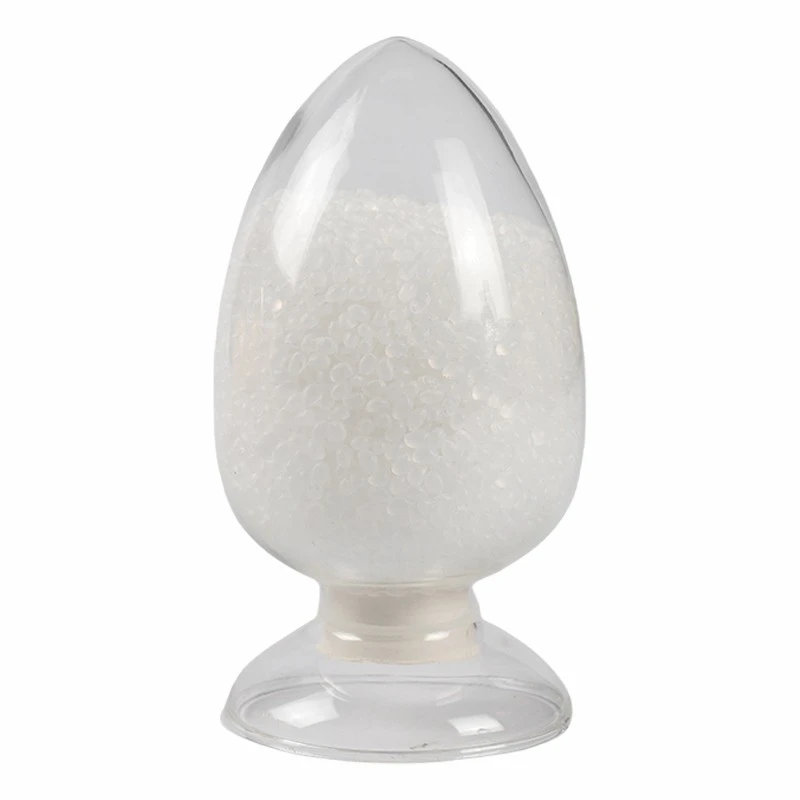
Let's take a look at some of the types of hot melt adhesives that can be used for bonding fiberglass:
- Polyamide hot melt adhesives: These adhesives are known for their high strength and good flexibility. They can withstand a wide range of temperatures and are resistant to chemicals. Polyamide hot melt adhesives are a popular choice for bonding fiberglass in applications where a strong, durable bond is required.
- Polyurethane hot melt adhesives: Polyurethane adhesives offer excellent adhesion to a variety of materials, including fiberglass. They have good flexibility and can be formulated to be resistant to moisture and UV rays. Polyurethane hot melt adhesives are often used in applications where the bonded parts need to be able to withstand some movement or vibration.
- EVA (Ethylene-Vinyl Acetate) hot melt adhesives: EVA adhesives are relatively inexpensive and easy to use. They have good adhesion to many materials, including fiberglass. However, they may not be as strong or durable as some of the other types of hot melt adhesives, especially in high-stress applications.
Now, let's talk about some of the applications where hot melt adhesive can be used to bond fiberglass.
One common application is in the manufacturing of fiberglass boats. Hot melt adhesive can be used to bond fiberglass panels together, as well as to attach other components, such as decks, bulkheads, and hatches. The adhesive provides a strong, waterproof bond that helps to keep the boat watertight and structurally sound.
Another application is in the automotive industry. Fiberglass is often used in the manufacturing of car bodies, bumpers, and other components. Hot melt adhesive can be used to bond these fiberglass parts together, as well as to attach them to the metal or plastic parts of the car. The adhesive helps to reduce weight and improve the overall performance of the vehicle.
Hot melt adhesive can also be used in the construction industry. Fiberglass insulation is a popular choice for insulating buildings, and hot melt adhesive can be used to bond the insulation to the walls, ceilings, and floors. The adhesive helps to keep the insulation in place and provides a barrier against heat and sound.
In addition to these applications, hot melt adhesive can also be used for bonding fiberglass in other industries, such as aerospace, sports equipment, and furniture manufacturing.
If you're interested in using hot melt adhesive for bonding fiberglass, I recommend checking out some of our products. We offer a wide range of hot melt adhesives, including Glue Lined Heat Shrink, Bookbinding Hot Melt Adhesive, and High Viscosity Hot Melt Adhesive Film. Our products are formulated to provide excellent adhesion, flexibility, and durability, and they're suitable for a variety of applications.
To get the best results when using hot melt adhesive to bond fiberglass, here are some tips:
- Follow the manufacturer's instructions: Each hot melt adhesive has its own set of instructions for application, temperature, and curing time. Make sure you read and follow these instructions carefully to ensure a successful bond.
- Test the adhesive: Before you start a large-scale bonding project, it's a good idea to do a small test on a scrap piece of fiberglass. This will allow you to see how the adhesive performs and make any necessary adjustments.
- Use the right equipment: You'll need a hot melt adhesive applicator, such as a glue gun or a dispensing system, to apply the adhesive. Make sure you choose an applicator that's suitable for the type and quantity of adhesive you're using.
- Apply the adhesive evenly: To get a strong and consistent bond, apply the hot melt adhesive evenly to the surface of the fiberglass. You can use a brush, a roller, or a spray gun, depending on the type of adhesive and the application.
- Apply pressure: After applying the adhesive, press the two surfaces together firmly to ensure good contact. You can use clamps, weights, or other methods to apply pressure until the adhesive has cooled and hardened.
In conclusion, hot melt adhesive can be a great option for bonding fiberglass, but it's important to choose the right adhesive and follow the proper procedures. With the right approach, you can achieve a strong, durable bond that will stand the test of time.
If you have any questions about using hot melt adhesive for bonding fiberglass, or if you're interested in learning more about our products, feel free to reach out. Our team of experts is here to help you find the best solution for your bonding needs. Let's start a conversation and see how we can work together to get the job done right.
References
- "Adhesives and Sealants Handbook" by David A. Dillard
- "Handbook of Adhesive Technology" by Samuel M. Wu


