


Can EVA Hot Melt Sheet be used in the aerospace industry?
Hey there! I'm a supplier of EVA hot melt sheets, and I've been getting a lot of questions lately about whether our product can be used in the aerospace industry. Well, let's dive right in and explore this topic.
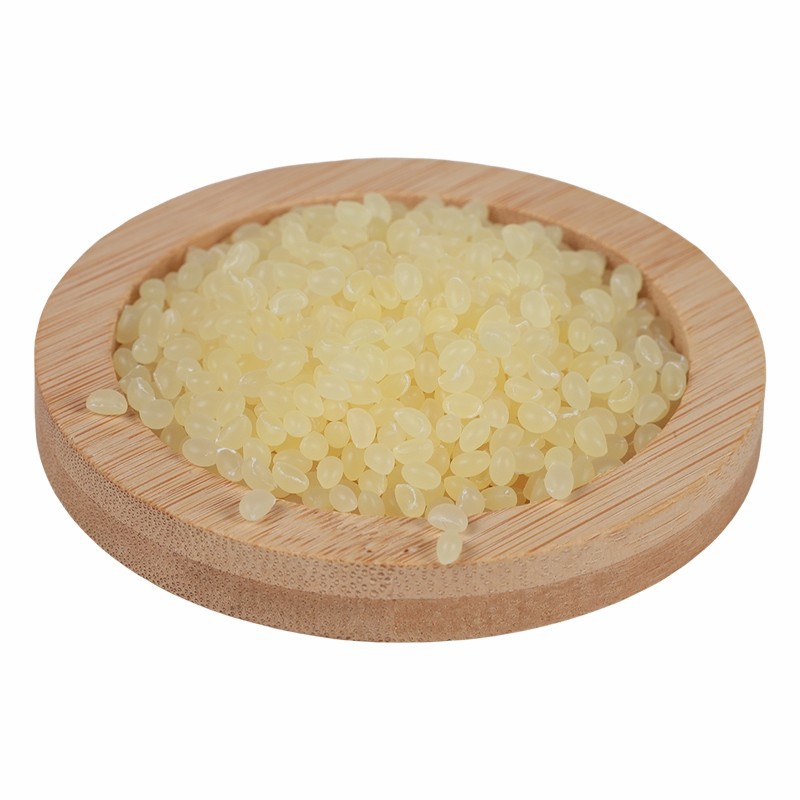
First off, what exactly is an EVA hot melt sheet? EVA stands for ethylene-vinyl acetate, and it's a type of copolymer that's known for its excellent adhesive properties. Our EVA hot melt sheets are made from this material and are designed to melt when heated and then bond to various surfaces as they cool. They're used in a wide range of industries, from packaging to woodworking, but the aerospace industry is a whole different ballgame.
So, can EVA hot melt sheets cut it in the aerospace world? There are a few factors we need to consider.
1. Temperature Resistance
The aerospace environment is extreme when it comes to temperature. Planes can experience very low temperatures at high altitudes and high temperatures during re - entry or near engine components. EVA hot melt sheets have a certain range of temperature resistance. Most standard EVA hot melt sheets can withstand temperatures from around - 20°C to 80°C. However, in the aerospace industry, we might need materials that can handle much wider temperature ranges.

Some advanced formulations of EVA hot melt sheets can be engineered to have better temperature resistance. By adding certain additives or modifying the polymer structure, we can increase the upper and lower temperature limits. But even with these improvements, it's still a challenge to match the performance of specialized aerospace adhesives. For example, some high - performance adhesives used in aerospace can withstand temperatures up to 200°C or more.
2. Strength and Durability
In aerospace, the strength of the adhesive is crucial. Components need to be held together firmly to ensure the safety and reliability of the aircraft. EVA hot melt sheets offer good bonding strength for many common applications. They can bond to a variety of materials like plastics, metals, and fabrics. However, the aerospace industry demands extremely high - strength bonds that can withstand vibrations, shocks, and high - stress loads.
The durability of EVA hot melt sheets also comes into question. In the aerospace environment, materials are exposed to harsh chemicals, UV radiation, and moisture. Over time, these factors can degrade the adhesive properties of EVA hot melt sheets. Specialized aerospace adhesives are often formulated to be highly resistant to these environmental factors.
3. Weight
Weight is a major concern in the aerospace industry. Every extra pound can increase fuel consumption and reduce the aircraft's efficiency. EVA hot melt sheets are relatively lightweight compared to some other bonding methods. This is an advantage, as it can help in reducing the overall weight of the aircraft. But we need to balance this with the need for high - performance bonding. Sometimes, lightweight materials might not have the same strength and durability as heavier, more robust alternatives.
4. Compatibility with Aerospace Materials
Aerospace components are made from a wide range of high - tech materials such as carbon fiber composites, titanium alloys, and advanced polymers. EVA hot melt sheets need to be compatible with these materials. They should bond well without causing any chemical reactions or degradation of the materials.
In some cases, EVA hot melt sheets can be a good fit. For example, they can bond well to certain types of plastics used in aircraft interiors. But for more critical components made from advanced composites or metals, specialized adhesives are often preferred.
Potential Applications in Aerospace
Despite the challenges, there are some potential applications for EVA hot melt sheets in the aerospace industry.
Interior Components
In the aircraft interior, EVA hot melt sheets can be used for bonding decorative panels, insulation materials, and fabric upholstery. These areas don't require the same extreme performance as the structural components. The good adhesive properties and relatively low cost of EVA hot melt sheets make them a viable option.
Non - Critical Bonding
For non - critical bonding applications, such as attaching small accessories or holding wires in place, EVA hot melt sheets can work well. They can provide a quick and easy bonding solution without the need for complex curing processes.
Other Types of Hot Melt Adhesives
If you're interested in exploring other types of hot melt adhesives, we also have some great options. Check out our Co Extruded Hot Melt Adhesive, which offers unique properties for specific applications. Our Automotive Wiring Harness Hot Melt Adhesive is designed for high - performance wiring applications, and our Double Walled Hot Melt Adhesive provides enhanced bonding in various scenarios.
Conclusion
So, can EVA hot melt sheets be used in the aerospace industry? The answer is yes, but with limitations. They have some potential in non - critical and interior applications, but for the most demanding structural and high - performance requirements, specialized aerospace adhesives are still the go - to choice.
If you're in the aerospace industry and are considering using EVA hot melt sheets or any of our other hot melt adhesives, we'd love to have a chat with you. We can discuss your specific needs, provide samples, and work together to find the best solution for your projects. Whether it's for a small interior upgrade or a larger - scale application, we're here to help. Reach out to us to start a conversation about your procurement needs.
References
- "Handbook of Adhesives and Sealants"
- "Aerospace Materials and Processes"


