


Hey there! As a supplier of PVC electrical tape, I've been in the game for quite a while, and I often get asked about the standards for PVC electrical tape. So, I thought I'd take some time to break it down for you in this blog post.
First off, let's talk about what PVC electrical tape is. PVC, or polyvinyl chloride, is a type of plastic that's commonly used in a wide range of applications, including electrical insulation. PVC electrical tape is made from a thin strip of PVC film that's coated with an adhesive on one side. It's used to insulate electrical wires and connections, protect them from moisture and corrosion, and provide mechanical protection.
Now, let's get into the standards. There are several key standards that PVC electrical tape should meet to ensure its quality and performance. These standards cover various aspects of the tape, including its electrical properties, mechanical properties, chemical resistance, and flame retardancy.
Electrical Properties
One of the most important aspects of PVC electrical tape is its electrical insulation properties. The tape should have a high dielectric strength, which means it can withstand high voltages without breaking down. This is crucial for preventing electrical shocks and short circuits.
The dielectric strength of PVC electrical tape is typically measured in volts per mil (V/mil). A good quality PVC electrical tape should have a dielectric strength of at least 1,000 V/mil. This ensures that it can provide reliable insulation for most electrical applications.
In addition to dielectric strength, the tape should also have a low electrical conductivity. This helps to prevent the flow of electrical current through the tape, which can cause heating and potentially lead to a fire.
Mechanical Properties
The mechanical properties of PVC electrical tape are also important. The tape should be strong enough to withstand the stresses and strains that it may be subjected to during installation and use. This includes factors such as stretching, tearing, and abrasion.
The tensile strength of PVC electrical tape is a measure of its ability to resist stretching. A good quality tape should have a tensile strength of at least 20 pounds per square inch (psi). This ensures that it can be stretched without breaking during installation.
The elongation at break is another important mechanical property. This is a measure of how much the tape can stretch before it breaks. A good quality PVC electrical tape should have an elongation at break of at least 100%. This allows it to conform to irregular shapes and surfaces without cracking or splitting.
Chemical Resistance
PVC electrical tape may be exposed to a variety of chemicals during its use, including solvents, oils, and acids. Therefore, it's important that the tape has good chemical resistance to ensure its long-term performance.
The tape should be resistant to common solvents such as gasoline, diesel fuel, and alcohol. It should also be able to withstand exposure to oils and greases without losing its adhesive properties.
In addition, the tape should be resistant to acids and alkalis. This is particularly important in industrial applications where the tape may be exposed to corrosive chemicals.
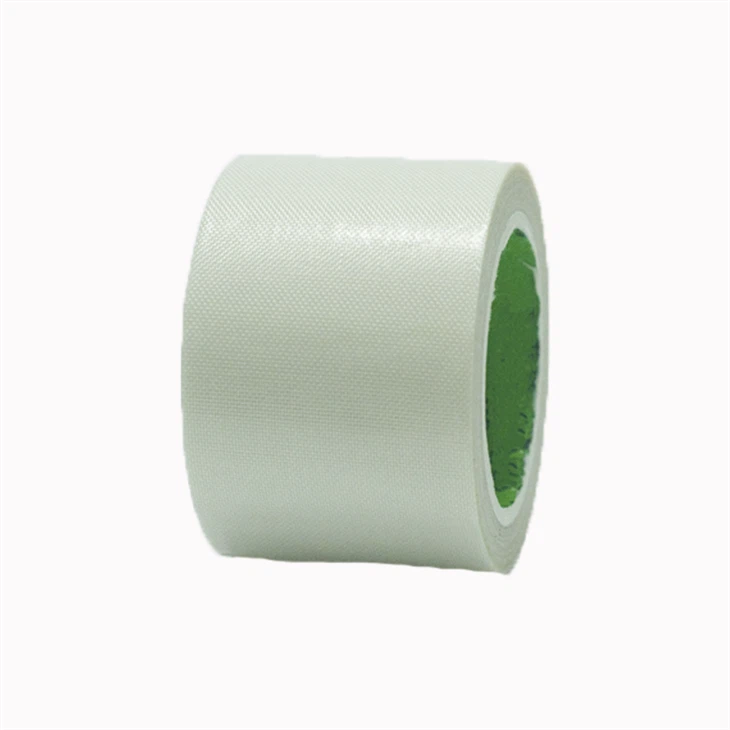

Flame Retardancy
Flame retardancy is another critical standard for PVC electrical tape. The tape should be able to self-extinguish when exposed to a flame, which helps to prevent the spread of fire.
The flame retardancy of PVC electrical tape is typically measured using the UL 510 standard. This standard specifies the requirements for electrical insulating tape in terms of its flammability and self-extinguishing properties.
A good quality PVC electrical tape should meet the UL 510 standard and have a flame rating of at least VW-1. This means that the tape can withstand a vertical flame test without burning for more than 60 seconds and without dripping flaming particles.
Other Standards
In addition to the above standards, there are also some other factors to consider when choosing PVC electrical tape. These include:
- Adhesive Strength: The tape should have a strong adhesive that can bond well to the surface of the electrical wires and connections. This helps to prevent the tape from peeling off over time.
- Temperature Resistance: The tape should be able to withstand a wide range of temperatures without losing its properties. This is important in applications where the tape may be exposed to extreme heat or cold.
- Color Coding: PVC electrical tape is often color-coded to indicate different voltages or phases. This helps to ensure that the tape is used correctly and safely.
At our company, we take these standards very seriously. We only supply PVC electrical tape that meets or exceeds all the relevant standards. This ensures that our customers can rely on our tape to provide safe and reliable electrical insulation.
If you're in the market for PVC electrical tape, or if you're interested in learning more about our products, we'd love to hear from you. We offer a wide range of PVC electrical tape products to suit different applications and requirements. Whether you need tape for residential, commercial, or industrial use, we've got you covered.
In addition to PVC electrical tape, we also supply other types of adhesive tapes, such as Teflon Film Tape, Silicone Shockproof Belt, and Waterproof Sealing Silicone Tape. These products are also designed to meet high standards of quality and performance.
So, if you're looking for high-quality adhesive tapes, don't hesitate to contact us. We're here to help you find the right tape for your needs. Whether you have questions about our products, need technical support, or want to place an order, just give us a call or send us an email. We'll be happy to assist you.
References
- Underwriters Laboratories (UL). UL 510: Standard for Electrical Insulating Tape.
- ASTM International. ASTM D1000: Standard Specification for Pressure-Sensitive Tapes Used for Electrical Insulation.
- National Electrical Code (NEC). Article 318: Flexible Cords and Cables.


