


Hey there! As a supplier of Silicone Rubber Self - adhesive Tape, I often get asked a bunch of questions. One question that pops up quite a bit is: "Is Silicone Rubber Self - adhesive Tape resistant to chemicals?" Let's dig into this topic and find out.
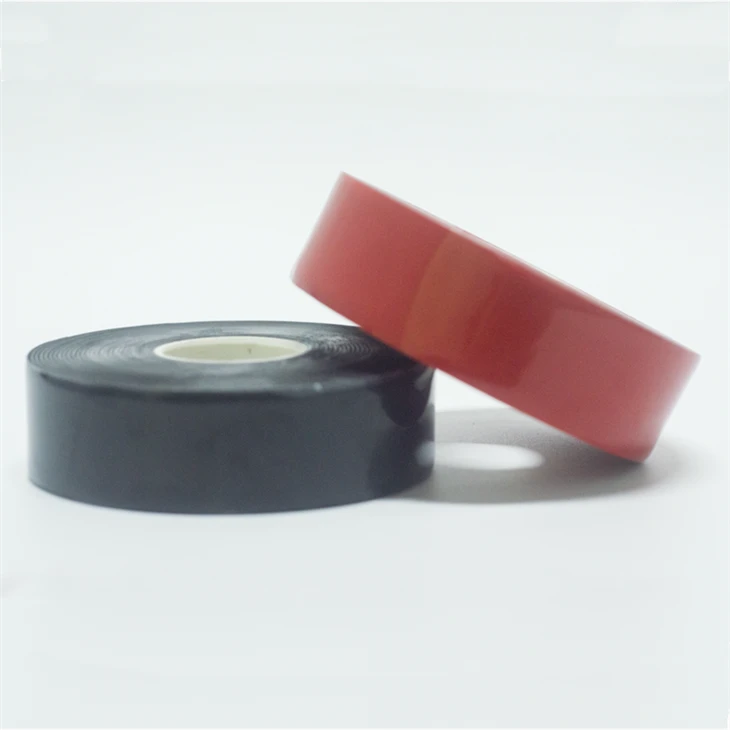
First off, let's talk a bit about what Silicone Rubber Self - adhesive Tape is. It's a super - useful tape that's made from silicone rubber. This tape has a self - adhesive backing, which means you don't need any extra glue or adhesives to stick it to stuff. It's used in a whole bunch of industries, like electronics, automotive, and even in some DIY projects at home.
Now, when it comes to chemical resistance, it's important to understand that not all chemicals are the same. Some are mild, like water and simple cleaning agents, while others are super strong, like acids and solvents.
Let's start with the mild chemicals. Silicone Rubber Self - adhesive Tape is actually pretty good at resisting water. It forms a tight seal, so water can't easily penetrate through it. This makes it great for applications where you need to keep things dry, like sealing pipes or protecting electrical connections from moisture. Simple cleaning agents, like mild soaps and detergents, usually don't have much of an effect on the tape either. You can use these to clean the surface where the tape is applied without worrying about damaging the tape itself.
But what about the more aggressive chemicals? Well, it depends on the type of chemical. Silicone Rubber Self - adhesive Tape has a decent resistance to some acids and alkalis. For example, it can withstand weak acids like acetic acid (the stuff in vinegar) for a certain period of time. However, strong acids, like sulfuric acid or hydrochloric acid, can start to break down the tape over time. The same goes for strong alkalis, such as sodium hydroxide. These chemicals can react with the silicone rubber, causing it to lose its adhesive properties and eventually deteriorate.
Solvents are another group of chemicals that we need to consider. Some common solvents, like ethanol (alcohol), have a relatively low impact on the tape. But solvents like acetone or toluene are much more aggressive. They can dissolve the silicone rubber, making the tape useless. So, if you're planning to use the tape in an environment where it might come into contact with solvents, you need to be really careful.
Now, I know what you're thinking. "Is there any way to make the tape more resistant to chemicals?" Well, there are some factors that can affect the chemical resistance of the tape. The thickness of the tape plays a role. Thicker tapes generally have better chemical resistance because there's more material to withstand the chemical attack. Also, the quality of the silicone rubber used in the tape matters. Higher - quality silicone rubber is usually more resistant to chemicals.
Another thing to keep in mind is the duration of exposure. Even if the tape is resistant to a certain chemical, long - term exposure can still cause problems. So, if you expect the tape to be in contact with chemicals for a long time, you might need to take extra precautions, like using a protective coating over the tape.
Let me give you some real - world examples of where the chemical resistance of Silicone Rubber Self - adhesive Tape is important. In the electronics industry, the tape is used to insulate and protect circuit boards. These boards can be exposed to various chemicals during the manufacturing process or in their operating environment. If the tape isn't resistant to these chemicals, it could lead to short circuits or other malfunctions.
In the automotive industry, the tape is used for sealing and insulation. Cars are exposed to all sorts of chemicals, from engine oils to road salts. A tape that can resist these chemicals is essential to ensure the longevity and performance of the vehicle.
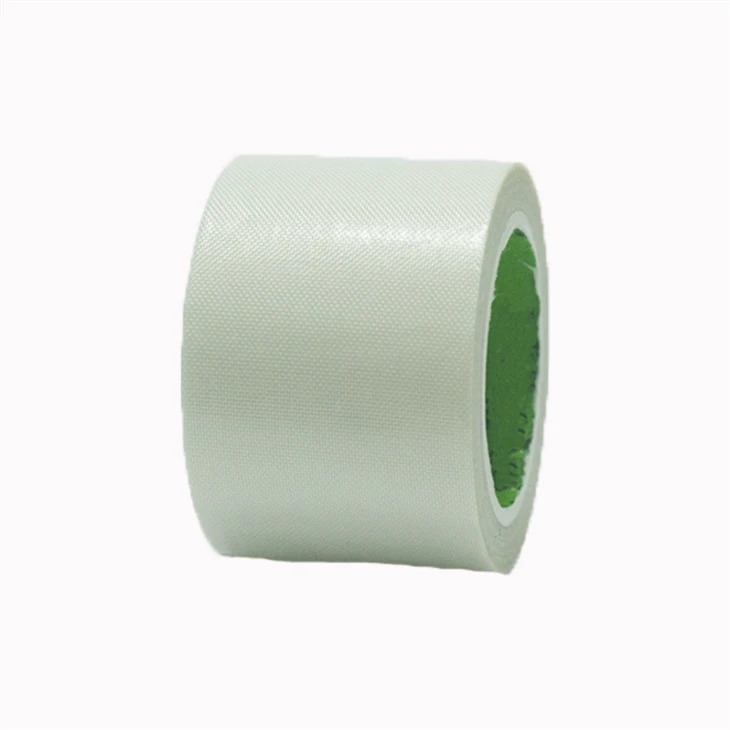
If you're in the market for high - quality tapes with different properties, we also offer High Elongation Tape. This tape has excellent elongation capabilities, which makes it suitable for applications where the tape needs to stretch without breaking. We also have High Temperature Teflon Tape and Teflon Thermal Insulation Tape, both of which are great for high - temperature applications and offer unique chemical resistance properties.
So, to sum it up, Silicone Rubber Self - adhesive Tape has a varying degree of chemical resistance. It's good against mild chemicals and can handle some weak acids and alkalis, but it has limitations when it comes to strong chemicals and solvents. If you're unsure whether the tape is suitable for your specific chemical environment, it's always a good idea to do some tests first.
If you're interested in purchasing our Silicone Rubber Self - adhesive Tape or any of our other products, feel free to reach out to us for more information and to discuss your specific requirements. We're here to help you find the right tape for your needs.
References
- "Handbook of Adhesive Technology" - This book provides in - depth information about different types of adhesives and their properties, including chemical resistance.
- Industry research reports on silicone rubber products, which offer insights into the performance of silicone rubber in various chemical environments.


