


As a supplier of Brown Teflon Tape, I often encounter inquiries from customers regarding the tape's performance under various conditions. One question that frequently arises is whether Brown Teflon Tape is resistant to vibration. In this blog post, I will delve into the properties of Brown Teflon Tape and explore its ability to withstand vibration.
Understanding Brown Teflon Tape
Brown Teflon Tape, also known as PTFE (Polytetrafluoroethylene) tape, is a versatile sealing material commonly used in plumbing, electrical, and industrial applications. It is made from a synthetic fluoropolymer known for its excellent chemical resistance, low friction coefficient, and high temperature tolerance. The brown color of the tape is often an indication of its specific formulation, which may include additives to enhance certain properties.
Properties of Brown Teflon Tape Relevant to Vibration Resistance
Chemical and Physical Stability
PTFE is a highly stable polymer with strong carbon - fluorine bonds. This chemical stability allows Brown Teflon Tape to maintain its integrity in the face of various environmental factors, including vibration. Unlike some other materials that may degrade or break down under repeated stress, the molecular structure of PTFE remains intact, providing a reliable seal over time.
Low Friction Coefficient
The low friction coefficient of PTFE is another important property when considering vibration resistance. When exposed to vibration, materials with high friction coefficients can experience increased wear and tear due to the rubbing and movement between surfaces. Brown Teflon Tape's low friction surface reduces the amount of energy transferred during vibration, minimizing the risk of abrasion and damage to the tape and the surfaces it is applied to.
Flexibility and Conformability
Brown Teflon Tape is highly flexible and can conform to irregular surfaces. This flexibility allows it to adapt to the movement caused by vibration without losing its seal. When wrapped around a pipe or a fitting, the tape can follow the contours of the surface, creating a tight and continuous seal that can withstand the dynamic forces associated with vibration.
Testing and Real - World Applications
In laboratory settings, Brown Teflon Tape has been subjected to vibration tests to evaluate its performance. These tests typically involve simulating different levels and frequencies of vibration to mimic real - world conditions. The results have shown that Brown Teflon Tape can maintain its sealing properties even under significant vibration.
In real - world applications, Brown Teflon Tape is widely used in plumbing systems in areas with high levels of vibration, such as industrial plants, automotive engines, and marine vessels. In plumbing systems, for example, pipes can be subject to vibration from pumps, machinery, or the flow of fluids. Brown Teflon Tape is used to seal pipe joints, preventing leaks caused by the movement and vibration. In automotive engines, it is used to seal fuel lines and other fluid connections, where vibration is a constant factor.
Comparing with Other Tapes
When considering vibration resistance, it is also useful to compare Brown Teflon Tape with other types of tapes. For example, Flame Retardant Silicone Tape is known for its excellent flame - retardant properties, but its vibration resistance may not be as high as that of Brown Teflon Tape. Silicone tapes can be more prone to deformation under high - frequency vibration, which may compromise their sealing ability.
Polyester Cloth Tape is a strong and durable tape, but it may not be as effective as Brown Teflon Tape in applications where chemical resistance and low friction are required. The polyester cloth may also be more rigid compared to the flexible PTFE tape, making it less suitable for conforming to surfaces under vibration.
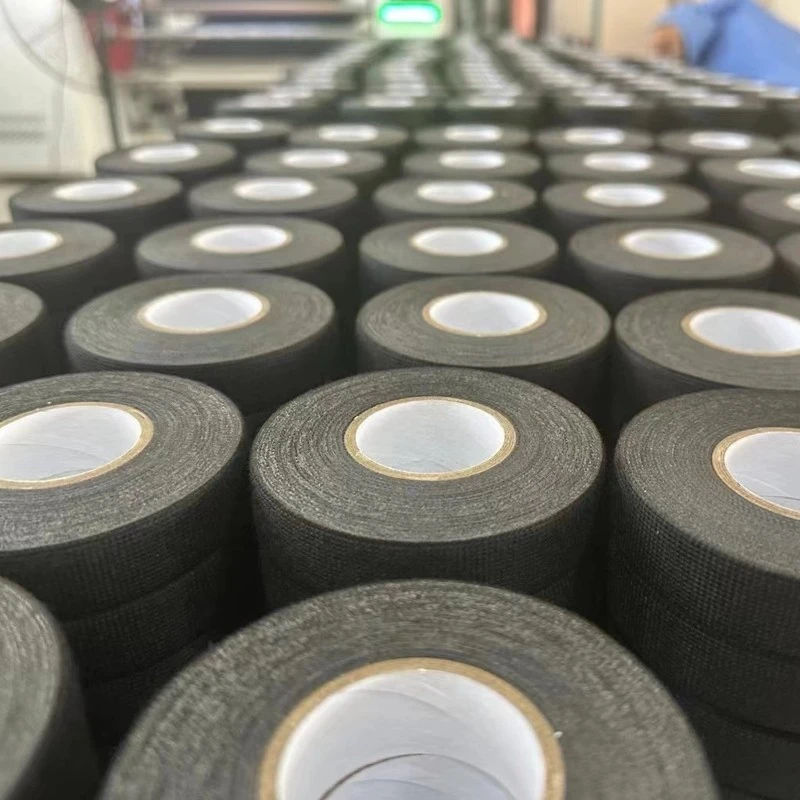

Silicone Pipe Repair Tape is designed for pipe repair, but its vibration resistance may vary depending on the specific formulation. While it can provide a good seal, Brown Teflon Tape's unique properties make it a preferred choice in applications where vibration is a significant concern.
Factors Affecting Vibration Resistance
Although Brown Teflon Tape has good vibration resistance, several factors can affect its performance. The frequency and amplitude of the vibration are important factors. High - frequency vibrations can cause more rapid movement and stress on the tape, while large amplitudes can lead to greater displacement and potential loosening of the seal.
The installation method also plays a crucial role. Proper wrapping of the tape around the surface is essential to ensure a tight and secure seal. If the tape is not wrapped tightly enough or if there are gaps in the wrapping, the vibration may cause the tape to shift or come loose, reducing its effectiveness.
Conclusion
In conclusion, Brown Teflon Tape is indeed resistant to vibration due to its unique properties such as chemical stability, low friction coefficient, flexibility, and conformability. Laboratory tests and real - world applications have demonstrated its ability to maintain a reliable seal under various vibration conditions.
However, it is important to consider the specific requirements of each application and the factors that can affect the tape's performance. By choosing the right tape and ensuring proper installation, you can take full advantage of Brown Teflon Tape's vibration - resistant properties.
If you are interested in purchasing Brown Teflon Tape or have any questions about its suitability for your application, please feel free to contact us for more information and to discuss your procurement needs. We are committed to providing high - quality products and excellent customer service.
References
- "Handbook of Fluoropolymer Science and Technology" by J. Scheirs and T. M. Carraher Jr.
- "PTFE: Properties and Applications" by various industry experts in technical journals.


