


Is adhesive tape resistant to UV light?
As a seasoned adhesive tape supplier, I often encounter questions from customers about the durability and performance of our products under various environmental conditions. One of the most common inquiries is whether adhesive tape is resistant to UV light. In this blog post, I will delve into this topic, exploring the factors that affect UV resistance in adhesive tapes, the types of tapes that offer better protection, and the implications for different applications.
Understanding UV Light and Its Effects on Adhesive Tapes
UV light, a component of sunlight, is known for its ability to cause damage to various materials over time. When adhesive tapes are exposed to UV light, several detrimental effects can occur. The UV rays can break down the chemical bonds in the adhesive and the backing material of the tape, leading to a loss of adhesion, embrittlement, and discoloration. This degradation can significantly reduce the tape's performance and lifespan, making it less effective for its intended purpose.
The degree of damage caused by UV light depends on several factors, including the intensity and duration of exposure, the wavelength of the UV light, and the composition of the adhesive tape. Short - wavelength UV light (UV - C) is the most energetic but is mostly absorbed by the Earth's atmosphere. UV - B and UV - A are the main types of UV light that reach the Earth's surface and can impact adhesive tapes. UV - B has a shorter wavelength and is more likely to cause chemical changes in the tape, while UV - A has a longer wavelength and can penetrate deeper into the material, leading to long - term degradation.
Factors Affecting UV Resistance in Adhesive Tapes
Adhesive Composition
The type of adhesive used in the tape plays a crucial role in its UV resistance. Some adhesives, such as acrylic adhesives, generally offer better UV resistance compared to rubber - based adhesives. Acrylic adhesives have a more stable chemical structure, which makes them less prone to breaking down under UV exposure. They can maintain their adhesion properties and flexibility for a longer period when exposed to sunlight.
Backing Material
The backing material of the tape also affects its UV resistance. Materials like polyester, polyimide, and some types of treated paper are more UV - resistant than others. For example, polyester has good resistance to UV light and can protect the adhesive layer beneath it. On the other hand, natural rubber or untreated paper backing may degrade quickly when exposed to UV rays.
Additives
Manufacturers can add UV stabilizers and absorbers to the adhesive and backing material to enhance the tape's UV resistance. These additives work by either absorbing the UV light and converting it into heat or by preventing the chemical reactions that cause degradation. The amount and type of additives used can significantly impact the tape's ability to withstand UV exposure.
Types of Adhesive Tapes and Their UV Resistance
PVC Electrical Tape
PVC Electrical Tape is a widely used type of tape in electrical applications. Standard PVC electrical tape may have limited UV resistance. Over time, exposure to UV light can cause the PVC backing to become brittle and the adhesive to lose its stickiness. However, some manufacturers produce UV - resistant PVC electrical tapes by using special formulations and additives. These tapes are suitable for outdoor electrical installations where they may be exposed to sunlight.

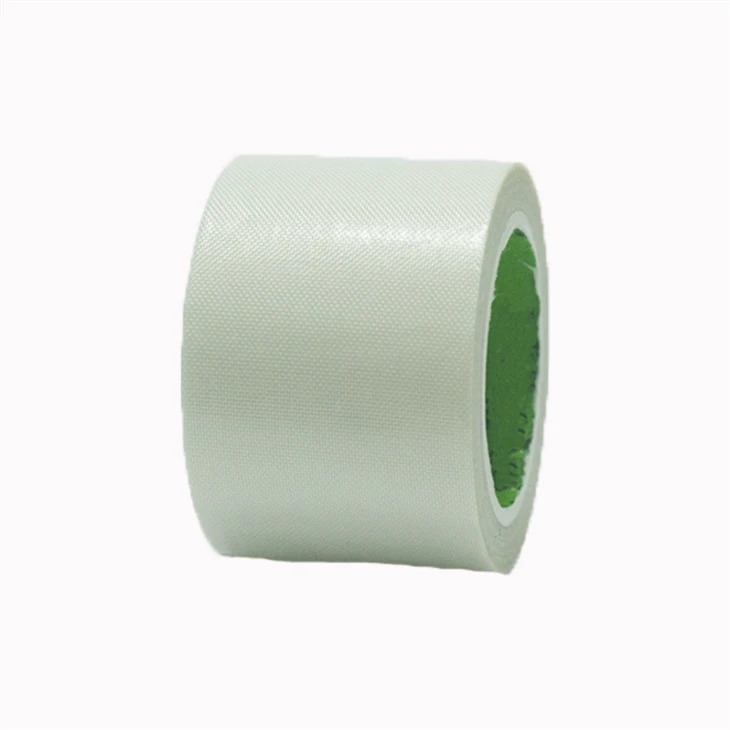
Flame Retardant Silicone Tape
Flame Retardant Silicone Tape is known for its high - temperature resistance and flame - retardant properties. Silicone has good inherent UV resistance due to its chemical structure. This tape can maintain its integrity and adhesion even after prolonged exposure to UV light. It is often used in outdoor applications where both fire safety and UV protection are required, such as in the aerospace and automotive industries.
Teflon Thermal Insulation Tape
Teflon Thermal Insulation Tape is made from polytetrafluoroethylene (PTFE), which has excellent chemical resistance and low friction. Teflon tape also offers good UV resistance. It can be used in outdoor applications where thermal insulation and protection from UV light are needed, such as in solar panel installations or in chemical processing plants exposed to sunlight.
Applications and Considerations
Outdoor Applications
In outdoor applications, such as construction, automotive, and solar energy, UV resistance is a critical factor. For example, in construction, adhesive tapes used for sealing joints or attaching components need to withstand long - term exposure to sunlight. In the automotive industry, tapes used for exterior trim or wire harnessing must maintain their performance under UV light. Solar panel manufacturers require tapes that can resist UV degradation to ensure the long - term reliability of the panels.
Indoor Applications with Indirect UV Exposure
Even in indoor applications, there may be indirect UV exposure from windows or artificial lighting sources. For example, in offices or warehouses near large windows, adhesive tapes used for labeling or bundling may be exposed to some UV light over time. In these cases, using UV - resistant tapes can prevent premature degradation and ensure the tape's performance remains consistent.
How to Choose the Right UV - Resistant Adhesive Tape
When selecting an adhesive tape for a specific application, consider the following factors:
- Level of UV Exposure: Determine the intensity and duration of UV exposure the tape will face. If it is for continuous outdoor use in a sunny climate, a highly UV - resistant tape is necessary.
- Application Requirements: Consider other requirements such as adhesion strength, temperature resistance, and chemical resistance. For example, if the tape will be used in a high - temperature environment, a tape with both UV and heat resistance is needed.
- Testing and Certification: Look for tapes that have been tested for UV resistance and have relevant certifications. This can provide assurance of the tape's performance under UV exposure.
Conclusion
In conclusion, not all adhesive tapes are resistant to UV light. The UV resistance of an adhesive tape depends on its adhesive composition, backing material, and the presence of additives. Acrylic adhesives, certain backing materials like polyester and Teflon, and the addition of UV stabilizers can enhance a tape's ability to withstand UV exposure. By understanding the factors affecting UV resistance and choosing the right tape for the application, you can ensure the long - term performance and reliability of the tape.
If you are in need of high - quality adhesive tapes with excellent UV resistance for your projects, we are here to help. As a leading adhesive tape supplier, we offer a wide range of tapes suitable for various applications. Whether you need PVC Electrical Tape, Flame Retardant Silicone Tape, or Teflon Thermal Insulation Tape, we can provide you with the right solution. Contact us to discuss your specific requirements and start a procurement negotiation.
References
- Wypych, G. (2016). Handbook of Materials for Outdoor Applications. William Andrew Publishing.
- ASTM International. (2019). Standard Test Methods for Evaluating the Resistance of Adhesives to Environmental Factors. ASTM D905 - 19.


