


Hey there! As a supplier of Polyester Cloth Tape, I've seen firsthand how important it is to store this stuff properly. Polyester cloth tape is a versatile product used in a bunch of different industries, from electronics to automotive. But if you don't store it right, you can end up with a whole bunch of problems, like reduced adhesion, damage to the tape, and even safety hazards. So, in this blog post, I'm gonna share some tips on how to store polyester cloth tape properly.
Understanding Polyester Cloth Tape
Before we dive into the storage tips, let's quickly go over what polyester cloth tape is. Polyester cloth tape is made from a polyester fabric backing that's coated with an adhesive. It's known for its high strength, durability, and resistance to heat, chemicals, and abrasion. This makes it a popular choice for applications where you need a reliable and long-lasting tape.
Ideal Storage Conditions
Temperature
One of the most important factors in storing polyester cloth tape is temperature. The ideal temperature range for storing this tape is between 15°C and 25°C (59°F and 77°F). Temperatures that are too high can cause the adhesive to soften and become sticky, which can lead to the tape sticking to itself or other surfaces. On the other hand, temperatures that are too low can make the tape brittle and less flexible, which can cause it to crack or break when you try to use it.
Humidity
Humidity is another important factor to consider. The ideal humidity range for storing polyester cloth tape is between 40% and 60%. High humidity can cause the tape to absorb moisture, which can weaken the adhesive and cause it to lose its sticking power. Low humidity, on the other hand, can make the tape dry out and become brittle.
Light
Exposure to light, especially sunlight, can also have a negative impact on polyester cloth tape. Ultraviolet (UV) rays can break down the adhesive and the polyester backing, causing the tape to lose its strength and adhesion. That's why it's best to store the tape in a dark place, away from direct sunlight.
Storage Containers
When it comes to storing polyester cloth tape, the right container can make a big difference. Here are some options to consider:

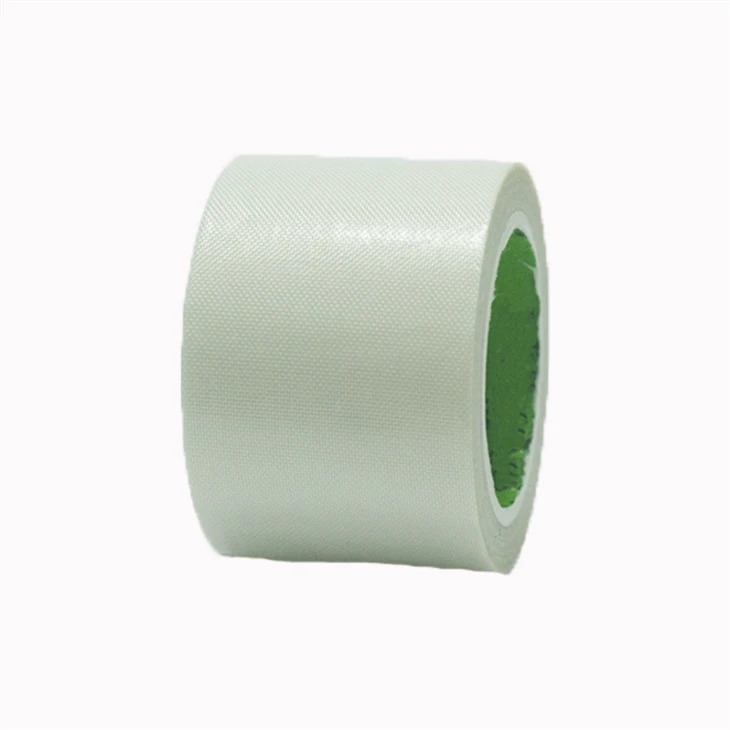
Sealed Plastic Bags
Sealed plastic bags are a simple and cost-effective way to store polyester cloth tape. They help to protect the tape from dust, moisture, and light. Make sure to choose a bag that's large enough to hold the tape without folding or bending it.
Plastic Boxes
Plastic boxes are another good option. They offer more protection than plastic bags and can be stacked on top of each other to save space. Look for boxes with a tight-fitting lid to keep out dust and moisture.
Metal Cabinets
If you have a large quantity of polyester cloth tape to store, a metal cabinet might be the best choice. Metal cabinets are durable, fire-resistant, and can provide excellent protection against dust, moisture, and light. Just make sure to keep the cabinet in a cool, dry place.
Handling and Stacking
Handling
When handling polyester cloth tape, it's important to be gentle. Avoid pulling or stretching the tape too hard, as this can damage the backing and the adhesive. Also, make sure to keep your hands clean and dry to prevent dirt and oil from getting on the tape.
Stacking
If you need to stack multiple rolls of polyester cloth tape, make sure to stack them carefully. Don't stack them too high, as this can cause the bottom rolls to become compressed and damaged. Also, make sure to leave some space between the rolls to allow for air circulation.
Other Considerations
Avoiding Contamination
It's important to keep polyester cloth tape away from any sources of contamination, such as chemicals, solvents, and oils. These substances can react with the adhesive and the polyester backing, causing the tape to lose its adhesion and strength.
Rotation
If you have a large inventory of polyester cloth tape, it's a good idea to practice first-in, first-out (FIFO) rotation. This means using the oldest tape first to ensure that it doesn't expire or become damaged over time.
Inspection
Regularly inspect your polyester cloth tape for any signs of damage or degradation. Look for things like discoloration, peeling, or a loss of adhesion. If you notice any problems, it's best to replace the tape as soon as possible.
Related Products
If you're interested in other types of tapes, we also offer Teflon Thermal Insulation Tape, Waterproof Silicone Tape, and Colored Silicone Repair Tape. These tapes have their own unique properties and applications, and they also require proper storage to maintain their performance.
Conclusion
Proper storage of polyester cloth tape is essential to ensure its performance and longevity. By following the tips in this blog post, you can keep your tape in good condition and avoid any problems down the road. If you have any questions or need more information about storing polyester cloth tape, don't hesitate to reach out. We're here to help you make the most of your tape. Whether you're a small business or a large corporation, we can provide you with high-quality polyester cloth tape and expert advice on how to store it properly. So, if you're in the market for polyester cloth tape or any of our other products, feel free to contact us for a quote and start a procurement discussion.
References
- "Adhesive Tape Handbook" by Pressure Sensitive Tape Council
- Various industry research papers on tape storage and performance.


