


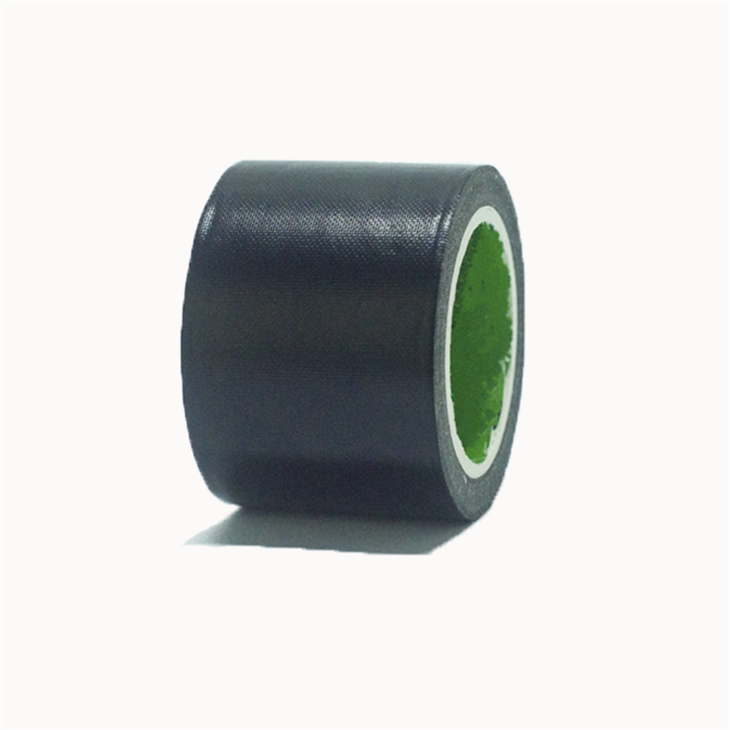
As a supplier of Brown Teflon Tape, I often receive inquiries from customers about how to clean this specialized tape. Brown Teflon Tape is known for its excellent chemical resistance, high-temperature stability, and low friction properties, making it a popular choice in various industrial and plumbing applications. However, over time, it can accumulate dirt, grime, and other contaminants, which may affect its performance. In this blog post, I will share some effective methods for cleaning Brown Teflon Tape to help you maintain its quality and functionality.
Understanding the Characteristics of Brown Teflon Tape
Before diving into the cleaning methods, it's important to understand the unique characteristics of Brown Teflon Tape. Teflon, also known as polytetrafluoroethylene (PTFE), is a synthetic fluoropolymer with a non-stick surface and high chemical resistance. Brown Teflon Tape is typically used in applications where a higher level of heat resistance and chemical compatibility is required, such as in plumbing systems for sealing pipes and fittings.
The non-stick nature of Teflon makes it relatively easy to clean compared to other materials. However, it's important to use the right cleaning methods and products to avoid damaging the tape. Harsh chemicals or abrasive cleaners can scratch the surface of the tape, reducing its non-stick properties and potentially causing it to degrade over time.
Cleaning Methods for Brown Teflon Tape
1. Dry Cleaning
The first step in cleaning Brown Teflon Tape is to remove any loose dirt or debris using a dry cleaning method. This can be done using a soft brush or a compressed air gun. Gently brush the surface of the tape to dislodge any dirt particles, and then use the compressed air gun to blow away the loose debris. This method is particularly effective for removing dust and dirt that has accumulated on the surface of the tape.
2. Mild Soap and Water
For more stubborn dirt and grime, a mild soap and water solution can be used. Mix a small amount of mild dish soap with warm water in a bucket or spray bottle. Dip a soft cloth or sponge into the solution and gently wipe the surface of the tape. Avoid scrubbing too hard, as this can damage the tape. Rinse the tape thoroughly with clean water to remove any soap residue, and then dry it with a clean, dry cloth.
3. Isopropyl Alcohol
Isopropyl alcohol is a commonly used solvent for cleaning Teflon tape. It is effective at removing grease, oil, and other organic contaminants. To clean the tape with isopropyl alcohol, soak a cotton ball or soft cloth in the alcohol and gently wipe the surface of the tape. Make sure to use a high-quality isopropyl alcohol with a concentration of at least 70%. Avoid using rubbing alcohol that contains other additives, as these can damage the tape. After cleaning, rinse the tape with clean water and dry it thoroughly.
4. Baking Soda Paste
Baking soda is a natural cleaning agent that can be used to remove stubborn stains and odors from Brown Teflon Tape. To make a baking soda paste, mix equal parts baking soda and water in a small bowl until a thick paste forms. Apply the paste to the stained areas of the tape and let it sit for a few minutes. Then, gently scrub the area with a soft brush or sponge. Rinse the tape thoroughly with clean water to remove the baking soda paste, and dry it with a clean cloth.

Precautions When Cleaning Brown Teflon Tape
- Avoid Harsh Chemicals: As mentioned earlier, harsh chemicals such as bleach, ammonia, and abrasive cleaners should be avoided when cleaning Brown Teflon Tape. These chemicals can damage the tape and reduce its performance.
- Test in a Small Area: Before using any cleaning method or product on the entire tape, it's a good idea to test it in a small, inconspicuous area first. This will help you determine if the method or product is safe to use on the tape and will not cause any damage.
- Handle with Care: Teflon tape is relatively thin and delicate, so it's important to handle it with care when cleaning. Avoid pulling or stretching the tape, as this can cause it to tear or lose its shape.
- Dry Thoroughly: After cleaning the tape, make sure to dry it thoroughly to prevent moisture from accumulating and causing damage. You can use a clean, dry cloth or let the tape air dry in a well-ventilated area.
Maintaining the Quality of Brown Teflon Tape
In addition to regular cleaning, there are several other steps you can take to maintain the quality of Brown Teflon Tape:
- Store Properly: When not in use, store the tape in a cool, dry place away from direct sunlight and heat sources. This will help prevent the tape from deteriorating over time.
- Avoid Contamination: Keep the tape away from chemicals, oils, and other contaminants that can damage its surface. If the tape comes into contact with a contaminant, clean it as soon as possible to prevent permanent damage.
- Replace When Necessary: Over time, Brown Teflon Tape may wear out or become damaged. If you notice any signs of wear or damage, such as tears, holes, or a loss of non-stick properties, it's time to replace the tape.
Other Types of Tapes Offered
As a tape supplier, we also offer a variety of other high-quality tapes to meet your specific needs. Some of our popular products include Teflon Film Tape, PVC Electrical Tape, and Flame Retardant Silicone Tape. Each of these tapes has its own unique properties and applications, and we can help you choose the right tape for your project.
Contact Us for Procurement
If you are interested in purchasing Brown Teflon Tape or any of our other tape products, please feel free to contact us. Our team of experts is available to answer your questions and provide you with the information you need to make an informed decision. We offer competitive prices, high-quality products, and excellent customer service. Let's start a procurement negotiation and find the best tape solutions for your business.
References
- "Teflon Tape: Properties and Applications." Journal of Industrial and Engineering Chemistry.
- "Cleaning and Maintenance of Teflon Products." Industrial Cleaning Handbook.
- "The Science of Teflon." Chemical Reviews.


