


As a supplier of Silicone Rubber Self - adhesive Tape, one of the most frequently asked questions I encounter is whether this tape leaves residue when removed. In this blog, I will delve into this topic in detail, drawing on both scientific knowledge and practical experience.
Understanding Silicone Rubber Self - adhesive Tape
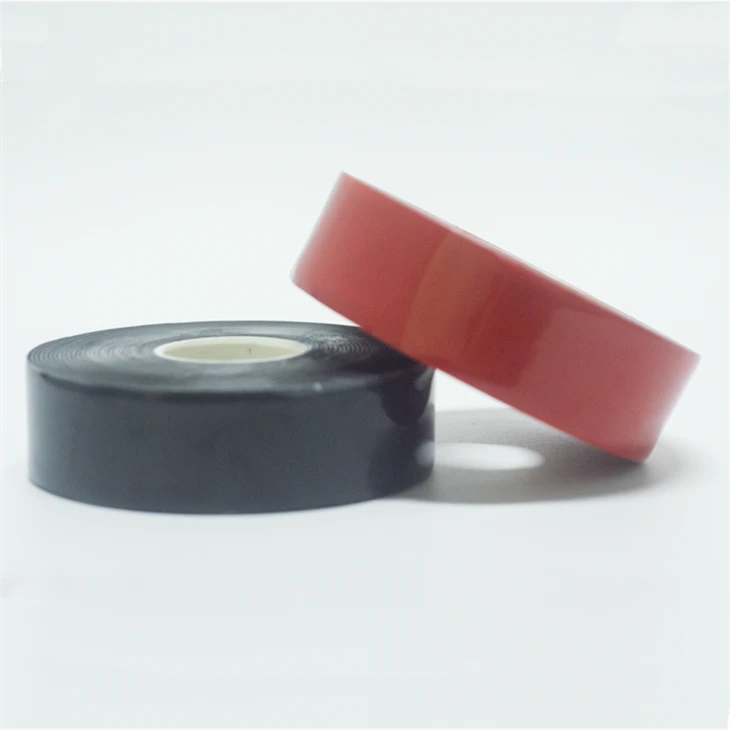
Silicone rubber self - adhesive tape is a versatile product known for its excellent properties. It has high temperature resistance, good electrical insulation, and strong adhesion. These characteristics make it suitable for a wide range of applications, from electrical insulation in industrial settings to DIY projects at home.
The tape consists of a silicone rubber backing and a self - adhesive layer. The silicone rubber backing provides flexibility, durability, and resistance to various environmental factors. The self - adhesive layer is designed to stick firmly to different surfaces, ensuring a reliable bond.
Factors Affecting Residue Formation
Several factors can influence whether silicone rubber self - adhesive tape leaves residue when removed.
Surface Type
The nature of the surface to which the tape is applied plays a crucial role. Porous surfaces, such as wood or concrete, tend to absorb some of the adhesive over time. When the tape is removed, a small amount of the adhesive may remain in the pores of the surface, resulting in residue. On the other hand, smooth, non - porous surfaces like glass or metal are less likely to hold onto the adhesive. The tape can be removed more cleanly, leaving little to no residue.
Application Time
The longer the tape remains on a surface, the more likely it is to leave residue. Over time, the adhesive can seep into the surface or form stronger bonds with it. For short - term applications, such as temporarily holding an object in place for a few hours or days, the risk of residue is relatively low. However, if the tape is left on for weeks, months, or even years, the chances of residue increase significantly.
Temperature and Environment
Temperature and environmental conditions can also impact residue formation. High temperatures can cause the adhesive to become more fluid, increasing its ability to penetrate the surface. In hot and humid environments, the adhesive may break down more easily, leading to residue. Conversely, in cold temperatures, the adhesive may become brittle, which can sometimes result in pieces of the adhesive breaking off and remaining on the surface when the tape is removed.

Scientific Explanation of Adhesion and Residue
The adhesion of silicone rubber self - adhesive tape is based on the intermolecular forces between the adhesive and the surface. These forces include van der Waals forces, hydrogen bonding, and sometimes chemical bonding. When the tape is applied, these forces hold the tape in place.
When the tape is removed, the strength of these intermolecular forces determines whether residue will be left behind. If the forces between the adhesive and the surface are stronger than the internal cohesive forces within the adhesive, the adhesive may break apart, leaving some on the surface. This can happen when the surface has a high affinity for the adhesive or when the adhesive has aged and its cohesive strength has decreased.
Practical Experience and Solutions
In my experience as a supplier, I have found that most high - quality silicone rubber self - adhesive tapes perform well in terms of residue - free removal, especially when used under normal conditions. However, if residue does occur, there are several solutions.
For light residue on smooth surfaces, a simple cleaning with isopropyl alcohol or a mild detergent can often remove the adhesive. Rubbing the area gently with a soft cloth soaked in the cleaning solution should do the trick.
In more stubborn cases, especially on porous surfaces, a specialized adhesive remover may be required. These products are designed to break down the adhesive without damaging the surface. It is important to follow the instructions on the adhesive remover carefully to ensure safe and effective use.
Our Product Range
We offer a variety of silicone rubber self - adhesive tapes to meet different needs. Our High Elastic Tape is known for its excellent elasticity, making it ideal for applications where the tape needs to stretch and conform to irregular shapes. The High Elongation Tape is designed to have a high degree of elongation, which is useful in situations where the tape may be subject to pulling or stretching forces. And our Brown PTFE Tape has unique properties such as chemical resistance and low friction, making it suitable for specific industrial applications.
Conclusion
In conclusion, whether silicone rubber self - adhesive tape leaves residue when removed depends on several factors, including surface type, application time, and environmental conditions. While high - quality tapes generally perform well, it is important to be aware of these factors and take appropriate measures to minimize the risk of residue.
If you are interested in our silicone rubber self - adhesive tapes or have any questions about residue or other aspects of the product, please feel free to contact us for procurement and further discussion. We are committed to providing high - quality products and excellent customer service.
References
- "Adhesion Science and Engineering: Surfaces, Chemistry, and Applications" by K. L. Mittal
- "Handbook of Pressure - Sensitive Adhesive Technology" by Donatas Satas


