


As a supplier of EVA Hot Melt Adhesive Tubes, I often encounter inquiries from customers regarding the suitability of our product for bonding non - porous materials. This topic is of great significance as non - porous materials are widely used in various industries, and finding an effective adhesive is crucial for many applications.
Understanding Non - Porous Materials
Non - porous materials are substances that do not have pores or openings on their surfaces through which liquids or gases can penetrate. Common examples of non - porous materials include glass, metal, plastic, and ceramic. These materials are known for their smooth and impermeable surfaces, which pose unique challenges when it comes to bonding.
The smoothness of non - porous materials means that there are fewer surface irregularities for an adhesive to grip onto compared to porous materials like wood or paper. Additionally, non - porous materials often have low surface energy, which makes it difficult for adhesives to wet and spread evenly across the surface.
Characteristics of EVA Hot Melt Adhesive Tubes
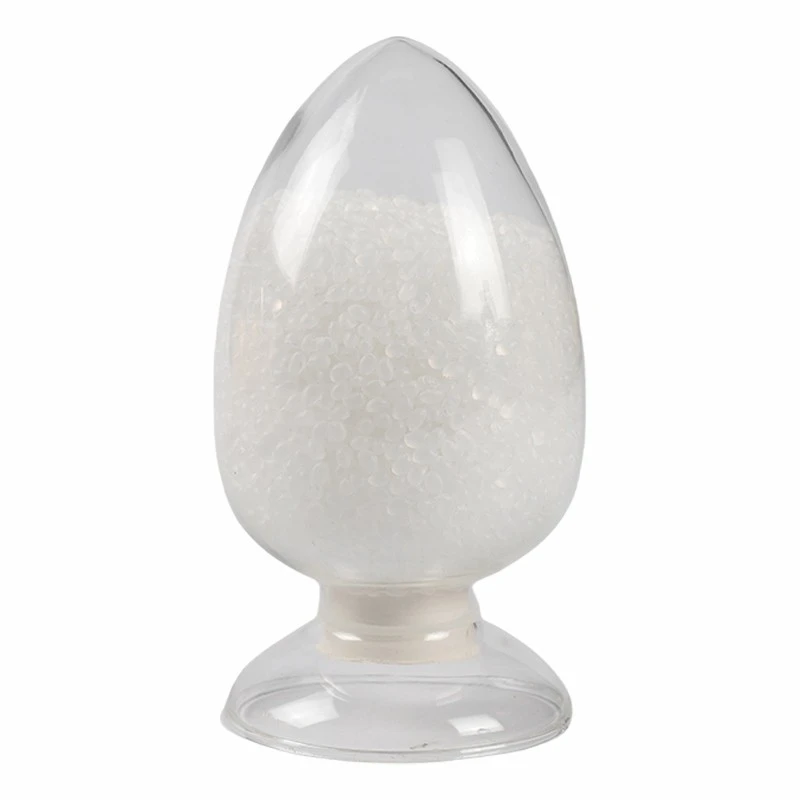
EVA (Ethylene - Vinyl Acetate) hot melt adhesive is a thermoplastic adhesive that is solid at room temperature. When heated, it melts and becomes a viscous liquid that can be applied to surfaces for bonding. Once it cools down, it solidifies again, creating a strong bond.
One of the key advantages of EVA hot melt adhesive is its fast bonding speed. It can form a bond within seconds of application, which is ideal for high - speed production lines. It also has good flexibility, which allows it to withstand some degree of movement and vibration without breaking the bond.
EVA hot melt adhesive is also resistant to moisture and many chemicals, making it suitable for a wide range of environments. It can be used in applications such as packaging, woodworking, Bookbinding Hot Melt Adhesive, and automotive assembly.
Bonding Non - Porous Materials with EVA Hot Melt Adhesive Tubes
The question of whether EVA hot melt adhesive tubes can be used for bonding non - porous materials is not a straightforward one. It depends on several factors, including the type of non - porous material, the surface preparation, and the specific requirements of the application.
Surface Preparation
Surface preparation is crucial when bonding non - porous materials with EVA hot melt adhesive. The surface should be clean, dry, and free of any contaminants such as oil, grease, dust, or dirt. These contaminants can prevent the adhesive from wetting the surface properly and reduce the strength of the bond.
For glass and metal surfaces, a mild detergent or solvent can be used to clean the surface. After cleaning, the surface should be thoroughly dried to remove any moisture. For plastic surfaces, it may be necessary to use a primer or a surface treatment to increase the surface energy and improve the adhesion of the adhesive.
Compatibility with Different Non - Porous Materials
- Glass: EVA hot melt adhesive can bond glass to some extent. However, the bond strength may not be as high as with other materials. The smooth surface of glass makes it difficult for the adhesive to form a strong mechanical bond. To improve the bond strength, surface treatments such as sandblasting or chemical etching can be used to create a rougher surface for the adhesive to grip onto.
- Metal: Bonding metal with EVA hot melt adhesive can be successful if the surface is properly prepared. Metals such as aluminum and steel can be bonded effectively. The adhesive can provide good resistance to corrosion and mechanical stress. However, for some metals with high surface energy, such as stainless steel, a primer may be required to enhance the adhesion.
- Plastic: The compatibility of EVA hot melt adhesive with plastic depends on the type of plastic. Some plastics, such as polyethylene and polypropylene, have very low surface energy and are difficult to bond. Specialized EVA formulations or surface treatments may be needed for these plastics. Other plastics, such as ABS and PVC, can be bonded more easily with EVA hot melt adhesive.
- Ceramic: Bonding ceramic with EVA hot melt adhesive can be challenging due to the hard and smooth surface of ceramic. Similar to glass, surface preparation is essential. The adhesive may need to be applied at a higher temperature to ensure good wetting and bonding.
Applications of EVA Hot Melt Adhesive Tubes in Bonding Non - Porous Materials
Despite the challenges, EVA hot melt adhesive tubes are used in several applications involving non - porous materials.
Packaging
In the packaging industry, EVA hot melt adhesive is used to bond plastic films, glass containers, and metal lids. For example, it can be used to seal plastic bags or to attach labels to glass bottles. The fast bonding speed of EVA hot melt adhesive is particularly advantageous in high - volume packaging operations.
Automotive Industry
In the automotive industry, EVA hot melt adhesive is used for bonding various non - porous components. Automotive Wiring Harness Hot Melt Adhesive is used to secure wiring harnesses to metal or plastic parts. It provides good insulation and protection against vibration and moisture.

Electronics
In the electronics industry, EVA hot melt adhesive can be used to bond plastic casings, glass screens, and metal components. It can provide a reliable and quick - setting bond, which is important for the assembly of electronic devices.
Limitations and Considerations
While EVA hot melt adhesive tubes have many advantages for bonding non - porous materials, there are also some limitations and considerations.
- Temperature Resistance: EVA hot melt adhesive has a relatively low melting point compared to some other adhesives. In applications where the bonded parts will be exposed to high temperatures, the adhesive may soften or melt, weakening the bond.
- Bond Strength: The bond strength of EVA hot melt adhesive on non - porous materials may not be as high as with some other types of adhesives, especially for applications that require high shear or peel strength.
- Environmental Factors: Although EVA hot melt adhesive is resistant to moisture and many chemicals, extreme environmental conditions such as high humidity or exposure to certain solvents may affect the bond over time.
Conclusion
In conclusion, EVA hot melt adhesive tubes can be used for bonding non - porous materials, but it requires careful consideration of the specific materials, surface preparation, and application requirements. With proper surface treatment and the right adhesive formulation, EVA hot melt adhesive can provide a reliable and cost - effective bonding solution for a wide range of non - porous materials.
If you are looking for a high - quality EVA hot melt adhesive tube for your non - porous material bonding needs, we are here to help. Our team of experts can provide you with technical support and guidance to ensure that you choose the right product for your application. Whether you are in the packaging, automotive, electronics, or any other industry, we have the solution for you. Contact us today to start a discussion about your bonding requirements and explore how our Hot Melt Tape and EVA hot melt adhesive tubes can meet your needs.
References
- "Handbook of Adhesives and Sealants" by Alan T. DiBenedetto
- "Adhesive Bonding: Science, Technology, and Applications" by J. Comyn
- "Thermoplastic Adhesives" by various authors in the Journal of Adhesion Science and Technology


