


Hey there! As a supplier of Brown Teflon Tape, I often get asked whether this tape can be used for medical equipment. It's a valid question, and today, I'm gonna break it down for you.
First off, let's talk a bit about what Brown Teflon Tape is. Teflon, also known as polytetrafluoroethylene (PTFE), is a synthetic fluoropolymer. Brown Teflon Tape is typically used in a variety of industrial applications. It's known for its excellent chemical resistance, low friction coefficient, and high-temperature tolerance. These properties make it a go - to choice for sealing pipes, electrical insulation, and other mechanical uses.
Now, when it comes to medical equipment, the requirements are a whole different ballgame. Medical equipment needs to meet strict safety and regulatory standards. The materials used in medical devices must be biocompatible, meaning they don't cause any adverse reactions when in contact with the human body. They also need to be sterilizable, as preventing infections is of utmost importance in a medical setting.
Let's start with biocompatibility. Brown Teflon Tape, in its pure form, is generally considered to be biocompatible to some extent. PTFE is inert, which means it doesn't react easily with other substances. This is a plus when it comes to potential contact with the human body. However, the tape we supply may have additional additives or processing agents that could affect its biocompatibility. These additives are often used to improve the tape's adhesion, flexibility, or other properties for industrial use. So, before considering using it in medical equipment, a thorough analysis of these additives is necessary.

Sterilization is another crucial factor. Medical equipment is regularly sterilized to ensure it's free from harmful microorganisms. There are several methods of sterilization, such as autoclaving (using high - pressure steam), ethylene oxide gas sterilization, and gamma irradiation. Brown Teflon Tape has a relatively high melting point, which means it can withstand the high temperatures of autoclaving to some degree. But, the additives in the tape might not be as heat - resistant. Ethylene oxide gas can penetrate the tape, but there's a risk that it could react with the additives and leave behind residues that are harmful to patients. Gamma irradiation can also cause changes in the tape's structure and properties, especially if it contains certain additives.
There are also some practical considerations. In medical equipment, precision is key. Brown Teflon Tape is usually designed for industrial applications where the tolerances might not be as strict. The thickness and width of the tape may not be as precisely controlled as what's required for medical devices. Also, the adhesive on the tape needs to be carefully evaluated. In a medical environment, the adhesive should not leave any residues that could contaminate the equipment or cause problems for patients.
However, there are some potential uses of Brown Teflon Tape in medical equipment. For non - invasive applications, such as in the external parts of medical devices where there's no direct contact with the patient's body, it could be a viable option. For example, it could be used for insulation or sealing in the electrical components of a medical monitor. In these cases, the tape's chemical resistance and electrical insulation properties could be beneficial.
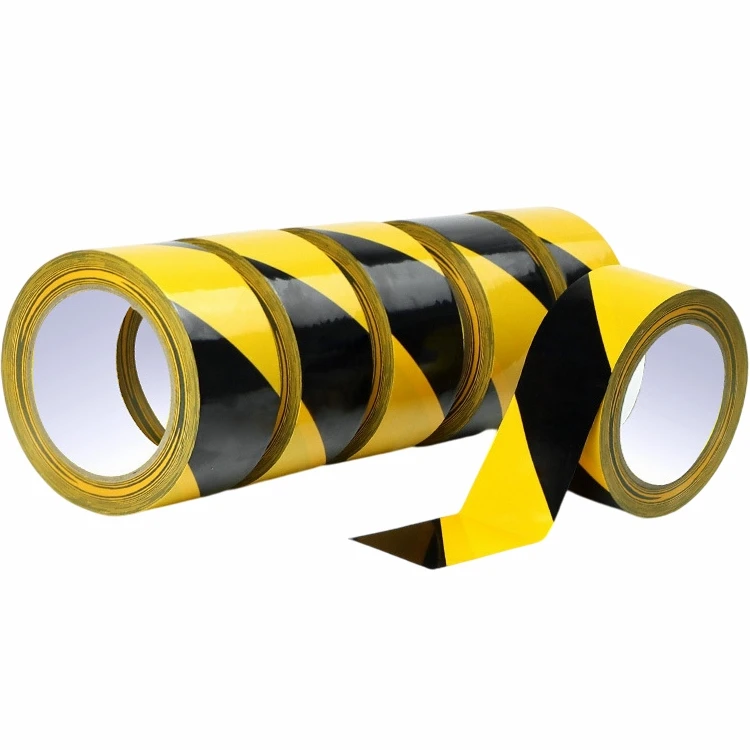
Now, let's compare Brown Teflon Tape with some other types of tapes. You might be interested in Hot Melt Adhesive Sheet. Hot melt adhesive sheets are known for their strong adhesion and quick bonding. But they may not have the same chemical resistance as Brown Teflon Tape. Black and Yellow Marking Tape is mainly used for marking and identification purposes. It's not designed for the same functional requirements as Brown Teflon Tape in terms of sealing or insulation. And Flannel Tape is soft and flexible, but it lacks the chemical and temperature resistance of Teflon tape.
If you're in the medical equipment manufacturing industry and think Brown Teflon Tape could have a place in your products, I'd highly recommend conducting in - house testing. Work with a laboratory that specializes in medical materials testing. They can evaluate the tape's biocompatibility, sterilizability, and other properties under the specific conditions of your equipment.
In conclusion, while Brown Teflon Tape has some properties that could potentially make it suitable for certain medical equipment applications, it's not a straightforward yes or no answer. There are many factors to consider, from biocompatibility and sterilization to practicality and precision. But with proper testing and evaluation, it could be a valuable addition to your medical device manufacturing process.
If you're interested in exploring the possibility of using our Brown Teflon Tape for your medical equipment, I'd love to have a chat with you. We can discuss your specific requirements, and I can provide you with samples for testing. Don't hesitate to reach out and start a conversation about how we can work together to find the best solution for your needs.
References
- "Biomaterials Science: An Introduction to Materials in Medicine" by Buddy D. Ratner, Allan S. Hoffman, Frederick J. Schoen, and Jack E. Lemons.
- "Handbook of Medical Device Manufacturing" edited by David W. Gagnon.


