


Hey there! As an adhesive tape supplier, I often get asked if adhesive tape can be used on painted surfaces. It's a common question, and the answer isn't always straightforward. So, let's dive into this topic and find out the ins and outs of using adhesive tape on painted stuff.
First off, the short answer is yes, adhesive tape can be used on painted surfaces, but there are a bunch of things to think about. The type of paint, the kind of tape, and how long you'll leave the tape on all play a part in whether it'll work well or cause problems.
Let's start with the type of paint. There are different kinds of paints out there, like latex, oil - based, and enamel. Latex paint is pretty common for walls and is water - based. It dries relatively quickly and forms a flexible surface. Oil - based paints, on the other hand, take longer to dry but create a hard, durable finish. Enamel paints are known for their high - gloss and tough surface.
When it comes to using tape on latex - painted surfaces, you're generally in good shape. Most regular adhesive tapes will stick well without causing too much damage when removed, as long as you don't leave them on for ages. However, if you use a super - strong tape or leave it on for an extended period, it might pull off some of the paint.
Oil - based and enamel paints are a bit more tricky. These paints are harder and more resistant, but they can also be more brittle. Some strong adhesive tapes might stick so well that when you try to remove them, they can chip or peel the paint. It's like pulling a Band - Aid off a sensitive area; if you're not careful, you'll take more than just the Band - Aid off.
Now, let's talk about the types of adhesive tapes. We've got a wide range of tapes in our inventory, each with its own properties.
Waterproof Silicone Tape
One of our popular products is the Waterproof Silicone Tape. This tape is great for a variety of uses, especially when you need a waterproof seal. It has a strong adhesive that can stick to many surfaces, including painted ones. But because of its strength, you need to be careful when using it on painted areas. If you're using it on a latex - painted wall for a short - term fix, like covering a small leak or marking a spot, it should work fine. Just make sure to remove it within a reasonable time. For oil - based or enamel paints, test it on a small, inconspicuous area first. If it doesn't cause any damage after a day or two, you can go ahead and use it more widely.
High Elongation Tape

The High Elongation Tape is another option. This tape can stretch a lot without breaking, which makes it useful for wrapping around irregular shapes. On painted surfaces, its flexibility can be an advantage. It won't put too much stress on the paint when it's applied or removed. It's a good choice for temporary markings or holding things in place on painted objects. Whether it's a painted wooden box or a metal piece with a painted finish, this tape can do the job without causing major issues.
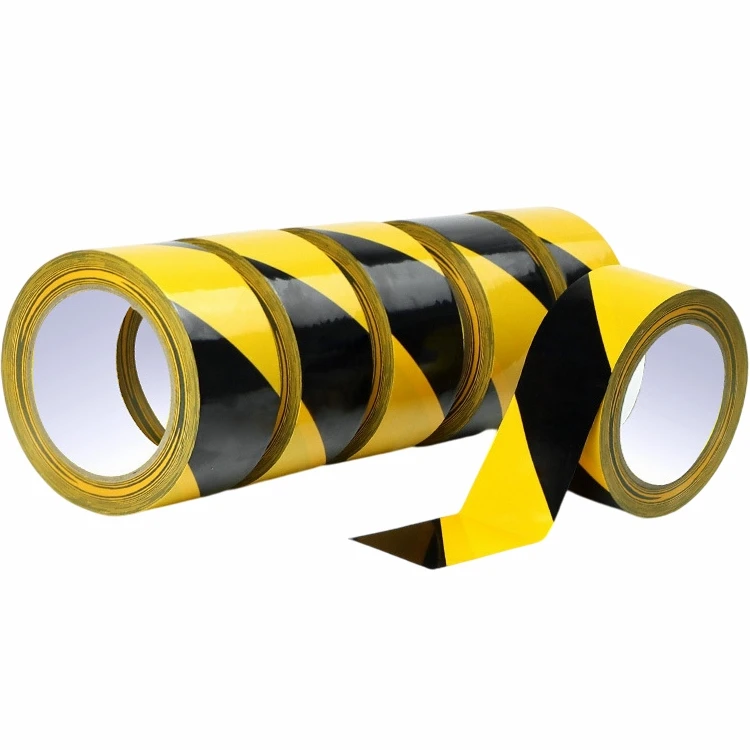
Black and Yellow Marking Tape
Our Black and Yellow Marking Tape is commonly used for safety markings. It's bright and easy to see, making it perfect for industrial settings or even around the house to mark dangerous areas. When using it on painted surfaces, keep in mind that its adhesive is designed to be fairly strong to stay in place. On latex - painted floors or walls, it should stick well and come off cleanly if removed within a few weeks. But again, for oil - based or enamel surfaces, do a test patch first.
The length of time you leave the tape on the painted surface is also crucial. The longer the tape stays, the more likely it is to cause problems. Over time, the adhesive can seep into the paint, making it harder to remove without damaging the paint. If you're just using the tape for a day or two, the chances of damage are much lower. But if you need to leave it on for weeks or months, you might want to consider alternative methods or use a tape specifically designed for long - term use on painted surfaces.
Here are some tips to ensure a successful use of adhesive tape on painted surfaces:
- Test First: Before applying the tape to a large area, test it on a small, hidden spot. Leave it for a day or two and then remove it gently. Check if there's any paint damage or if the adhesive leaves a residue.
- Clean the Surface: Make sure the painted surface is clean and dry before applying the tape. Dust, dirt, or moisture can affect the tape's adhesion and might also cause problems when removing the tape.
- Remove Slowly: When it's time to take the tape off, do it slowly and at a low angle. Pulling it off quickly and at a sharp angle is more likely to damage the paint.
- Choose the Right Tape: Based on the type of paint and how long you need the tape, select the appropriate tape. For short - term use on latex paint, a regular tape might be enough. For long - term or on tougher paints, look for tapes with a more gentle adhesive.
In conclusion, adhesive tape can definitely be used on painted surfaces, but it's all about being smart and taking precautions. As an adhesive tape supplier, we're here to help you find the right tape for your needs. Whether you're a DIY enthusiast, a contractor, or just need some tape for a home project, we've got a solution for you.
If you're interested in learning more about our adhesive tapes or want to discuss your specific requirements, feel free to reach out. We're always happy to have a chat and help you make the best choice for your painted surface projects.
References
- Paints and Coatings Technology Handbook.
- Adhesive Tape Industry Standards and Guidelines.


