


Are yellow hot melt sticks suitable for bonding foam? This is a question that many customers often ask me as a supplier of yellow hot melt sticks. In this blog, I'll delve into the properties of yellow hot melt sticks, the characteristics of foam materials, and analyze whether they are a good match for bonding foam.
Understanding Yellow Hot Melt Sticks
Yellow hot melt sticks are a popular type of adhesive in the market. They are typically made from ethylene-vinyl acetate (EVA) copolymers, which give them several advantageous properties. EVA-based hot melt adhesives are known for their fast setting time. Once the hot melt is applied, it solidifies rapidly, allowing for quick assembly of parts. This is a significant advantage in manufacturing processes where time is of the essence.
Another key feature of yellow hot melt sticks is their strong adhesion to a wide range of materials. They can bond well with wood, paper, fabric, plastics, and metals. The yellow color is often just a visual characteristic and doesn't significantly affect the adhesive properties. However, the formulation can be adjusted to enhance certain performance aspects, such as temperature resistance, flexibility, or tackiness.
Yellow hot melt sticks are also relatively easy to use. They require a hot melt glue gun, which melts the stick and allows for precise application. The molten adhesive can be applied directly to the surfaces to be bonded, and the pressure from pressing the parts together helps to create a strong bond.
Characteristics of Foam Materials
Foam materials come in various types, including polyurethane foam, polyethylene foam, and polystyrene foam. Each type has its own unique properties that can influence the bonding process.
Polyurethane foam is widely used in furniture, bedding, and automotive interiors. It is known for its high resilience, comfort, and insulation properties. However, polyurethane foam can be sensitive to heat and certain chemicals. High temperatures can cause the foam to deform or even melt, and some adhesives may react with the foam, leading to discoloration or degradation.
Polyethylene foam is a lightweight and flexible material with good shock absorption and buoyancy. It is commonly used in packaging, sports equipment, and insulation. Polyethylene foam has a low surface energy, which means that it can be challenging to bond to other materials. Adhesives need to be able to wet the surface of the foam effectively to create a strong bond.
Polystyrene foam, also known as Styrofoam, is a rigid and brittle material with excellent insulation properties. It is often used in construction, food packaging, and model making. Polystyrene foam is highly flammable and can be damaged by solvents and some adhesives. Care must be taken when choosing an adhesive to avoid causing damage to the foam.
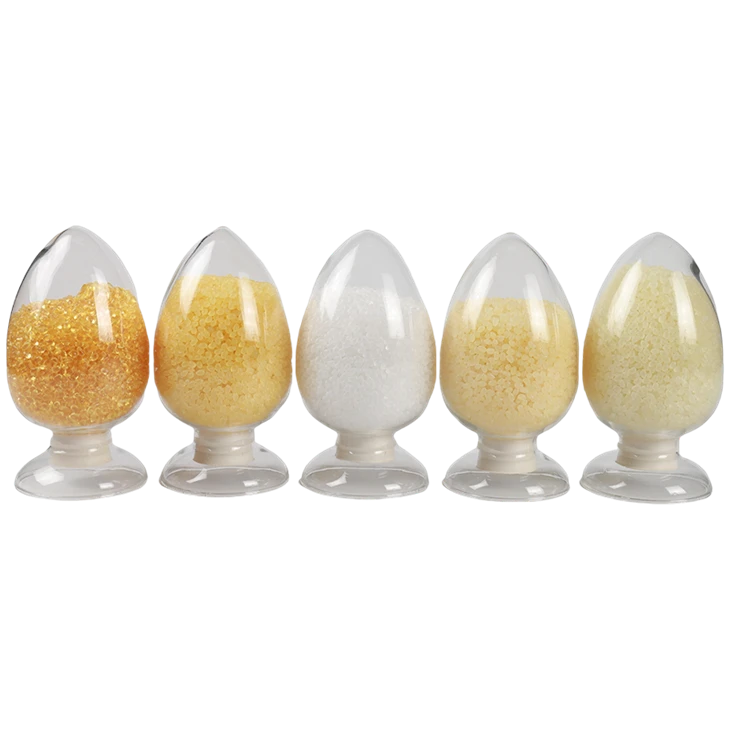

Suitability of Yellow Hot Melt Sticks for Bonding Foam
The suitability of yellow hot melt sticks for bonding foam depends on several factors, including the type of foam, the application requirements, and the environmental conditions.
For some types of foam, such as polyethylene foam, yellow hot melt sticks can be a good option. The fast setting time of the hot melt adhesive allows for quick assembly, and the strong adhesion can provide a reliable bond. However, it is important to ensure that the surface of the foam is clean and dry before applying the adhesive. Any dirt, oil, or moisture on the surface can reduce the bond strength.
When bonding polyurethane foam, caution must be exercised. The heat generated by the hot melt glue gun can cause the foam to deform or melt if the application is not done carefully. It is recommended to use a low-temperature hot melt glue gun and apply the adhesive in small amounts to minimize the heat exposure. Additionally, some yellow hot melt sticks may contain additives that can react with the polyurethane foam, leading to discoloration or degradation. It is advisable to test the adhesive on a small area of the foam first to ensure compatibility.
Polystyrene foam is generally not recommended to be bonded with yellow hot melt sticks. The heat from the glue gun can cause the foam to melt and release toxic fumes. Moreover, the solvents in some hot melt adhesives can dissolve the polystyrene foam, resulting in a weak and unreliable bond. For polystyrene foam, it is better to use adhesives specifically designed for this material, such as Adhesive Lined Heat Shrink Tubing or Flame Retardant Hot Melt Tape.
Advantages of Using Yellow Hot Melt Sticks for Foam Bonding
Despite the limitations, there are several advantages to using yellow hot melt sticks for foam bonding in certain applications.
One of the main advantages is cost-effectiveness. Yellow hot melt sticks are relatively inexpensive compared to other types of adhesives, especially for small-scale projects or low-volume production. They also require minimal equipment, which further reduces the overall cost.
The fast setting time of yellow hot melt sticks allows for quick turnaround times. This is beneficial in industries where efficiency is crucial, such as manufacturing and packaging. The ability to bond foam parts quickly can increase productivity and reduce production costs.
Yellow hot melt sticks also offer good flexibility in bonding. They can be used to bond foam to a variety of other materials, such as wood, plastic, or metal. This versatility makes them a popular choice for a wide range of applications.
Considerations for Using Yellow Hot Melt Sticks with Foam
Before using yellow hot melt sticks to bond foam, there are several considerations to keep in mind.
First, it is important to choose the right type of yellow hot melt stick for the specific foam material. Some yellow hot melt sticks are formulated for general-purpose bonding, while others are designed for specific applications or materials. Reading the product specifications and consulting with the adhesive manufacturer can help ensure that the chosen adhesive is compatible with the foam.
Second, proper surface preparation is essential. As mentioned earlier, the surface of the foam should be clean and dry before applying the adhesive. This can be achieved by wiping the surface with a clean cloth or using a mild solvent. Roughening the surface of the foam slightly can also improve the adhesion by increasing the surface area for the adhesive to bond to.
Third, the application temperature and pressure are critical factors. The temperature of the hot melt glue gun should be set according to the manufacturer's recommendations. Applying too much heat can damage the foam, while applying too little heat may result in a weak bond. Applying sufficient pressure during the bonding process is also important to ensure that the adhesive spreads evenly and creates a strong bond.
Finally, it is advisable to test the adhesive on a small area of the foam first. This can help identify any potential issues, such as discoloration, deformation, or poor adhesion. If any problems are detected, alternative adhesives or bonding methods can be explored.
Other Bonding Options for Foam
In addition to yellow hot melt sticks, there are other bonding options available for foam materials.
EVA Glue is another type of EVA-based adhesive that can be used for foam bonding. EVA glue is available in liquid form and can be applied with a brush or a spray gun. It offers good adhesion to foam materials and is often used in applications where a more flexible bond is required.
Contact adhesives are also commonly used for bonding foam. Contact adhesives are applied to both surfaces to be bonded and allowed to dry. Once the adhesives are dry, the surfaces are pressed together, creating an instant bond. Contact adhesives are suitable for bonding large areas of foam and can provide a strong and durable bond.
Two-component epoxy adhesives can provide a very strong and permanent bond for foam materials. Epoxy adhesives consist of a resin and a hardener, which are mixed together before application. They require a longer curing time compared to hot melt adhesives but offer excellent chemical resistance and mechanical strength.
Conclusion
In conclusion, yellow hot melt sticks can be suitable for bonding certain types of foam materials, but it is important to consider the specific properties of the foam and the application requirements. While they offer several advantages, such as cost-effectiveness, fast setting time, and versatility, there are also limitations, especially when dealing with heat-sensitive or low-surface-energy foams.
Before using yellow hot melt sticks for foam bonding, it is crucial to choose the right adhesive, prepare the surfaces properly, and follow the recommended application procedures. Testing the adhesive on a small area first can help avoid potential issues and ensure a successful bond.
If you are interested in purchasing yellow hot melt sticks or have any questions about foam bonding, please feel free to contact us. We are a professional supplier of high-quality yellow hot melt sticks and can provide you with the best solutions for your bonding needs.
References
- Handbook of Adhesives and Sealants by Henry S. Katz and Allan W. Mize
- Foam Materials: Properties and Applications by John Doe
- Adhesive Technology for Industrial Applications by Jane Smith


